
AI-Prompted Reviews: How Google’s New Photo-Triggered Prompts are Changing Your Rating
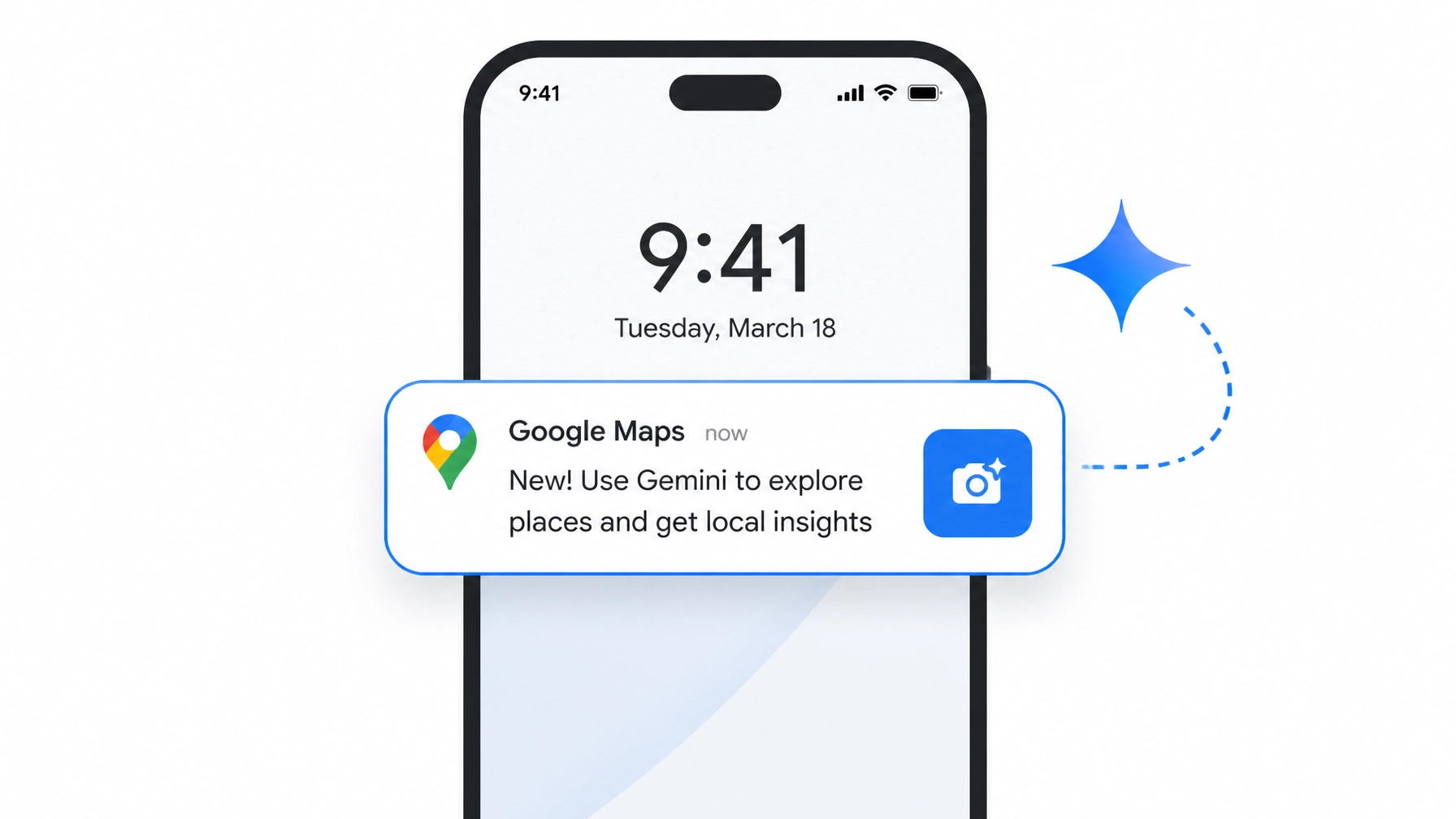
If you have visited a restaurant or a local shop recently and taken a photo of your meal or a new haircut, you might have noticed something different on your phone a few hours later. It’s not just the usual "How was your visit?" notification. Google is now using its Gemini AI to scan your camera roll, recognise where you’ve been, and prompt you to leave a review specifically based on the photos you’ve just taken.
This subtle shift in how Google Maps interacts with users is a massive change for local businesses in the UK. We are moving away from the era where reviews were a conscious, effortful act. We are entering a phase of "passive review collection," where AI does the heavy lifting for the customer.
For business owners, this isn't just a technical curiosity. It’s a fundamental shift in how your online reputation is built, how fast it changes, and what kind of feedback you should expect to see landing in your inbox.
The Mechanics: How Gemini Scans Your Life
Google’s Gemini AI is no longer just a chatbot you talk to on a website; it’s being woven into the fabric of the Android and iOS Google Maps experience. By matching GPS metadata and image recognition, Google can identify exactly when you were at a business and what you were looking at.
If you take a photo of a beautifully presented steak at a local bistro, Gemini doesn't just see "food." It sees "Medium-rare ribeye at The Gilded Grill." A short while later, Google Maps sends a nudge: "You took a photo at The Gilded Grill. Would you like to share it and tell others about your experience?"
This integration bypasses the need for the customer to remember to leave a review. It catches them while the memory is fresh and, more importantly, while the visual proof is sitting right at the top of their gallery.
The Surge in Review Velocity

In the industry, we talk a lot about "Review Velocity": the speed at which a business gains new reviews. Traditionally, a local coffee shop might get three or four reviews a week. With photo-triggered prompts, that number could easily triple.
Why? Because the friction has been removed.
Previously, a customer had to open Google Maps, search for your business, and tap "Write a review." Now, the review interface is pushed to them. This "Review Timing Compression" means that the lag between a customer’s visit and their public feedback is shrinking from days or weeks to just a few hours.
For a business owner, high review velocity is generally a good thing. It tells Google’s algorithm that your business is popular and relevant, which can boost your ranking in the "Local Pack" (the top three results on Google Maps). However, it also means that if you have a bad Saturday morning: perhaps a staff member called in sick and service was slow: you will see the impact on your star rating by Saturday evening, not two weeks later.
The Rise of the "Casual" 4-Star Review
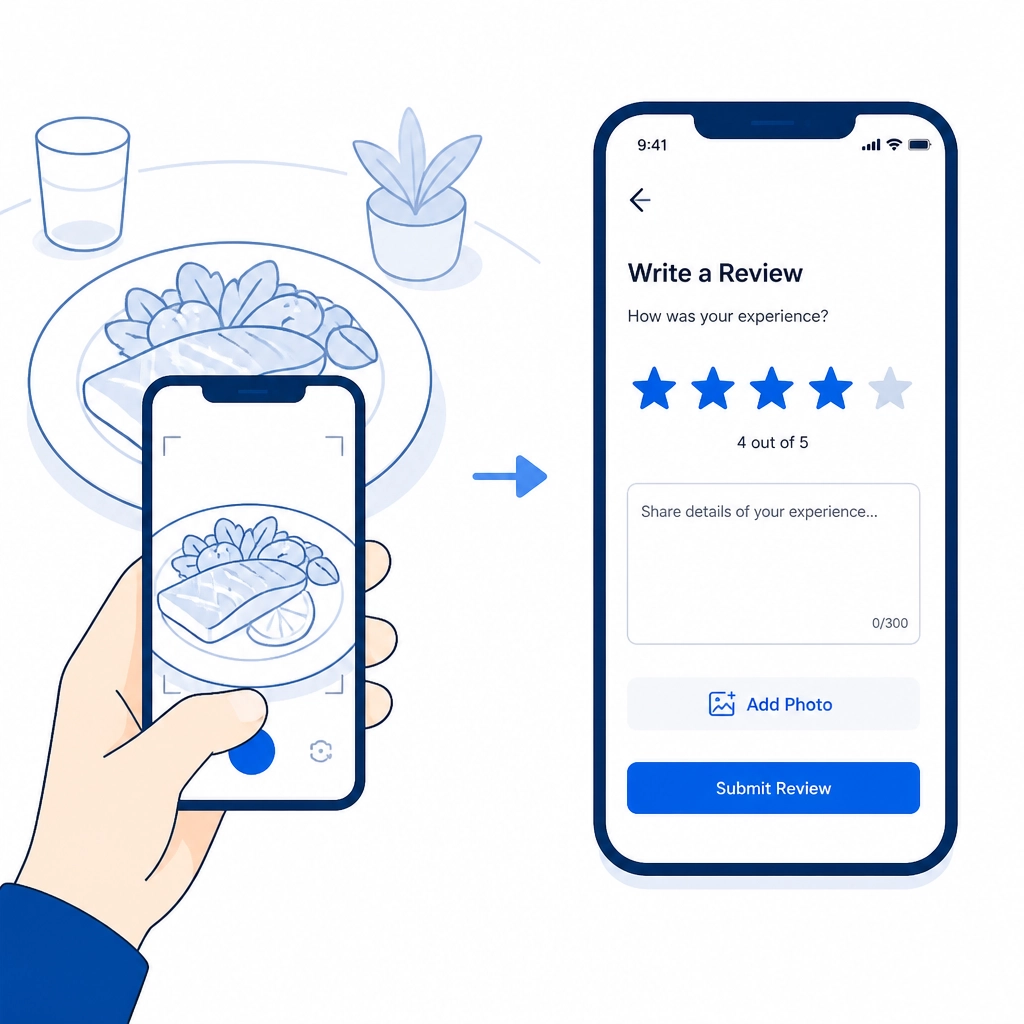
One of the most interesting side effects of AI-prompted reviews is the change in sentiment. Historically, people were most motivated to leave a review when they had an extreme experience: either they were ecstatic or they were furious. This led to a "bimodal" distribution of 1-star and 5-star reviews.
When Google prompts everyone who took a photo, it captures the "middle ground" customer. These are the people who had a perfectly lovely time but wouldn't have gone out of their way to write a review.
As a result, we are seeing an influx of 3-star and 4-star reviews. These reviews often have very short text: something like "Nice lunch, good service": but they almost always include a photo.
While a 4-star review is still positive, a sudden flood of them can actually pull a 4.9-rated business down to a 4.7. It’s a strange paradox: you are getting more reviews and more photos (which Google loves), but your average rating might dip slightly because you’re capturing the casual visitor rather than just your "superfans."
Why "Photo-Rich" Reviews are Gold for Local SEO
Despite the potential for more "average" ratings, these AI-prompted reviews are incredibly valuable for one reason: they are almost always "photo-rich."
Google’s search algorithm places a high premium on reviews that include images. Photos provide "social proof" that a business is legitimate and active. When a customer searches for "best hair salon near me," Google isn't just looking at the star rating; it’s looking at recent photos of the work done there.
By prompting users to attach the photos they’ve already taken, Gemini is essentially helping you build a massive, crowdsourced gallery of your business. This content is far more persuasive to a potential customer than a professional marketing photo because it feels "real."
The New Response SLA: 24 to 48 Hours
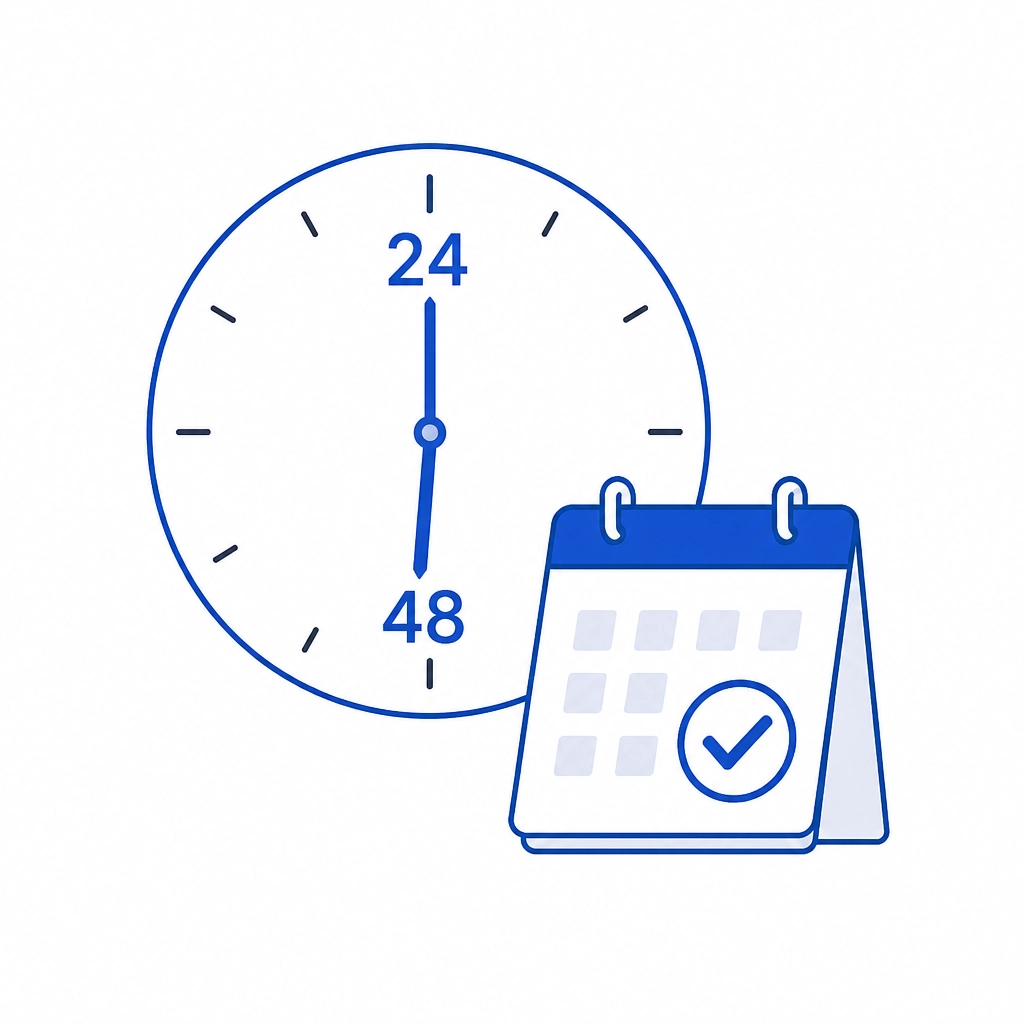
With reviews coming in faster and in higher volumes, your internal "Service Level Agreement" (SLA) for responding to them has to change.
In the past, checking your reviews once a week was often enough. In the age of AI-prompted feedback, that is no longer the case. Because the customer has just been prompted by Google to leave the review, the experience is top-of-mind. If you respond within 24 hours, you are engaging with them while they are still thinking about their visit.
A fast response does two things: 1. It reinforces the positive experience: A quick "Glad you enjoyed the steak, Sarah!" makes the customer feel valued. 2. It mitigates the "casual" 3-star review: If someone leaves a 3-star review with a photo saying "Food was okay, but a bit loud," a prompt response from the owner: "Thanks for the feedback, Mark! We do get a bit lively on Friday nights, maybe try our quieter Tuesday lunch session next time?": can often convince the user to upgrade their rating or at least feel heard.
The goal should now be to respond to all reviews within 24 to 48 hours. Any longer, and the conversation has moved on.
How YourReviews Helps You Keep Up
Managing this increased volume manually is a full-time job that most local business owners simply don't have time for. This is where YourReviews becomes an essential part of your toolkit.
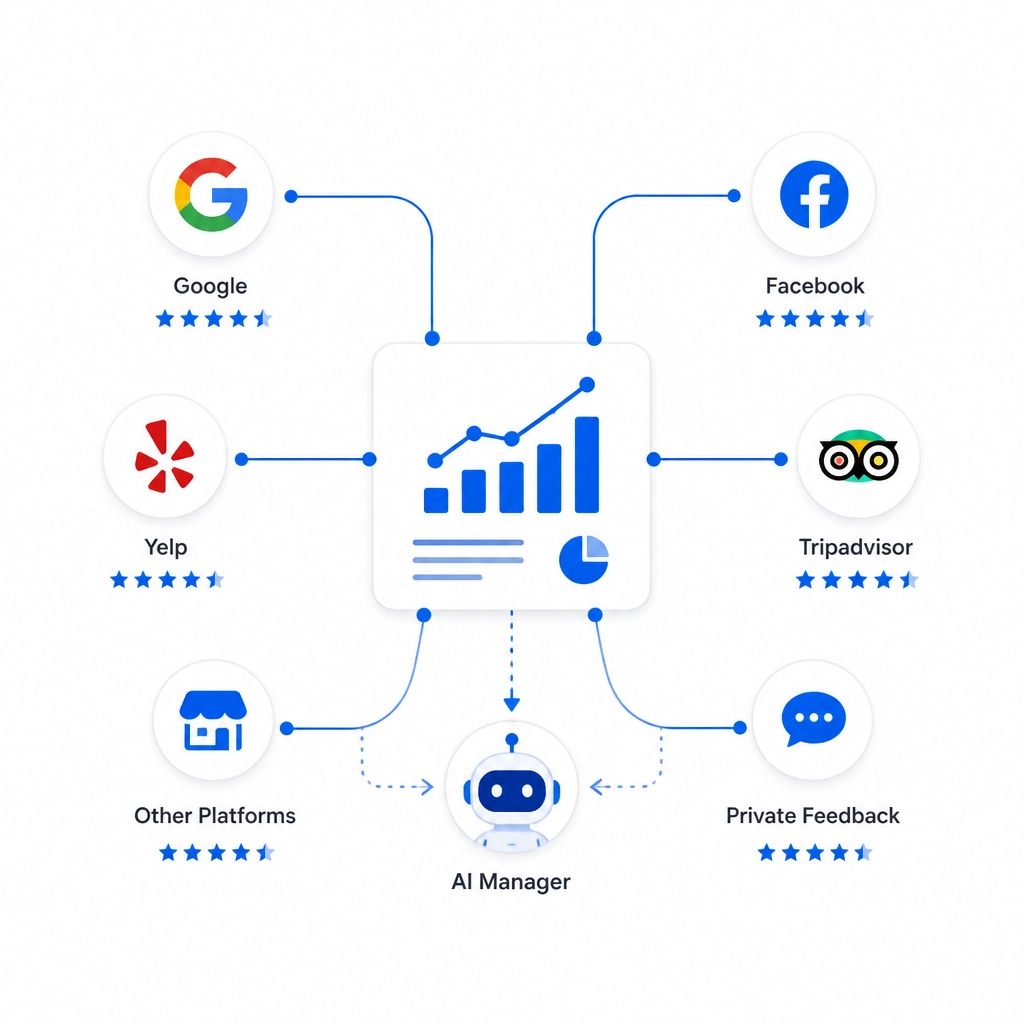
Our platform was designed to handle precisely this kind of "Review Velocity." Instead of logging into Google, Facebook, and various other sites individually, YourReviews pulls everything into one unified dashboard.
But the real game-changer is our AI-powered response system. As Google uses AI to prompt the reviews, you can use our AI to help draft professional, personalised responses in seconds. This ensures you hit that 24-hour target without having to spend your entire evening glued to a screen.
The platform also allows you to monitor your sentiment and local ranking insights. If those "casual" 4-star reviews are starting to impact your visibility on Google Maps, you'll know immediately, allowing you to adjust your service or your review collection strategy accordingly.
Adapting to the Passive Review Era
The rollout of Gemini-powered prompts is a clear signal from Google: they want more data, more photos, and more frequent updates from the real world. For the savvy business owner, this is an opportunity to outshine competitors who are slow to adapt.
By understanding that your "Review Velocity" is about to increase, you can prepare your team to focus on the "photo-worthiness" of your service. Whether it's the presentation of a dish, the decor of a clinic, or the "reveal" moment in a home renovation, these are the triggers that will now drive your online reputation.
The "passive" reviewer is now your most common critic. They aren't looking for a fight, and they aren't necessarily your biggest fan: they are just someone with a camera roll and a nudge from an AI. Treat them with the same attention you’d give a customer standing right in front of you, and you'll find that this shift in Google’s technology becomes your greatest marketing asset.
To make sure you're not left behind as review volumes grow, it's worth looking at how automation can take the weight off your shoulders, letting you focus on what you do best: running your business.