
Why Customers Do Not Leave Reviews: The Simple Trick to Get More Every Day
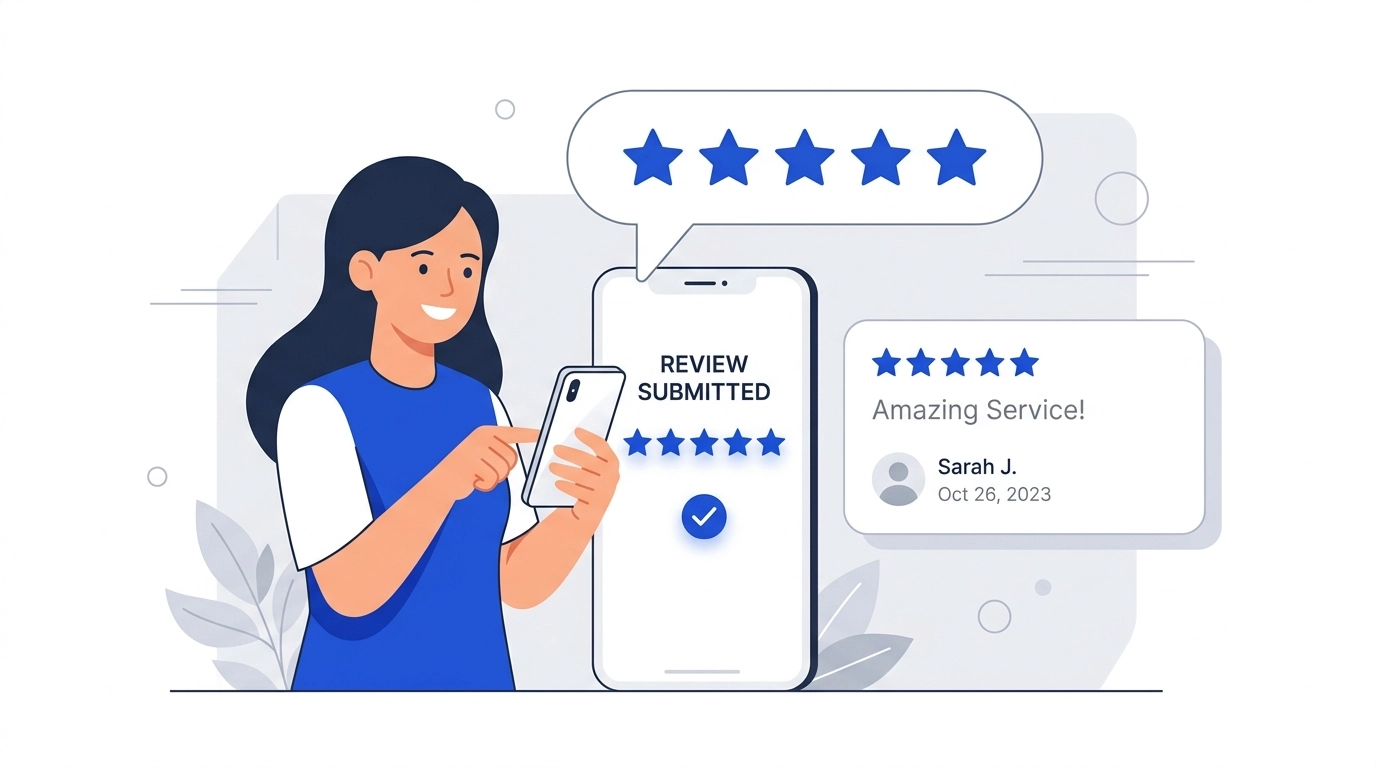
Why Customers Intend to Leave Reviews but Often Do Not
If you run a local business, this is probably familiar. A customer smiles, says they had a great experience, maybe even tells you they will leave a review, and then nothing happens.
Usually, that is not because they changed their mind. It is because everyday life gets in the way. People leave your shop, clinic, salon or restaurant and move straight on to the next thing. By the time they are home, back at work or dealing with the school run, the review has slipped their mind.
That is where most reviews are lost. Not in bad experiences, but in the gap between meaning to do it and actually doing it.
Forgetting Is Usually the Real Reason
Most happy customers are not refusing to help. They are just busy.
Think about how people behave after an appointment or purchase. They may genuinely plan to leave you a review later, but later often turns into never. A day passes, then two, and the moment is gone.
This is why timing matters so much. If you ask while the experience still feels fresh, you have a much better chance of getting a response. If you wait too long, even a very pleased customer may simply forget the details.
Too Much Effort Puts People Off
The other big issue is friction. Even a small amount of hassle can be enough to stop someone following through.
If a customer has to search for your business, find the correct profile, sign in, click around and then write something, a lot of them will give up halfway. Not because they do not like you. Just because it feels like work.
A simple review journey makes a real difference. The easier it is, the more likely people are to do it.
People Need a Clear Prompt
There is also the fact that leaving a review is rarely urgent from the customer's point of view. They may have had a very good experience, but unless you give them a nudge, it sits low on their list.
That does not mean you should pressure anyone. It just means you should ask clearly and make the reason obvious. A short message that says their feedback would be appreciated is often enough.
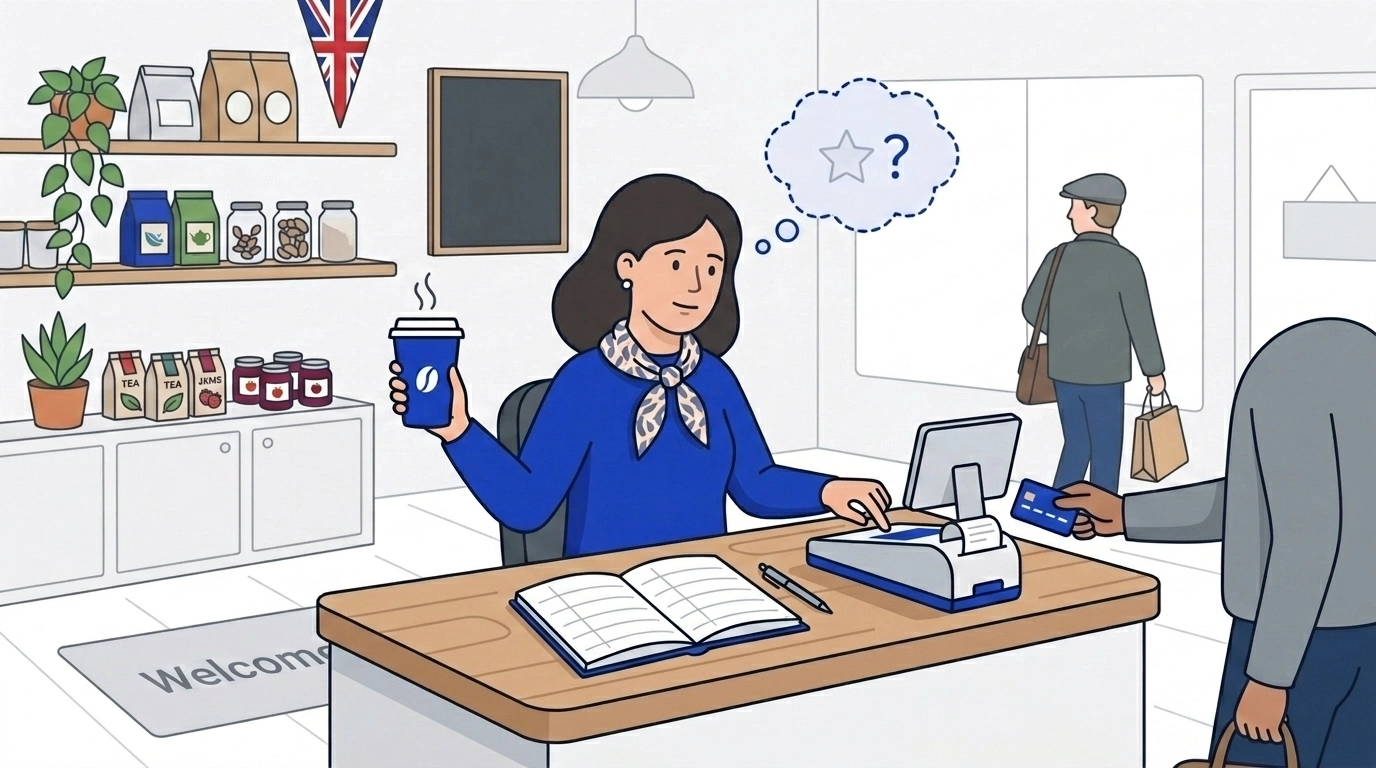
Practical Ways to Get More Reviews Every Day
There is no magic trick here. Businesses that get reviews consistently tend to do a few basics well. They ask at the right time, they make it easy, and they do it as part of their normal routine rather than as an afterthought.
Ask While the Experience Is Still Fresh
In most cases, the best time to ask is soon after the visit, appointment or completed job.
For example: - A dentist can send a request shortly after the patient leaves. - A hair salon can text the client later the same day. - A plumber can follow up once the work is finished and everything is sorted. - A restaurant can send a request that evening, while the visit is still easy to remember.
The exact timing depends on the business, but the general rule is simple: ask when the customer still remembers you clearly.
Make It Easy to Say Yes
If you want more reviews, remove as many steps as possible.
A good review request should be: - Short - Clear - Friendly - Sent through a channel the customer is likely to notice - Linked straight to the review page
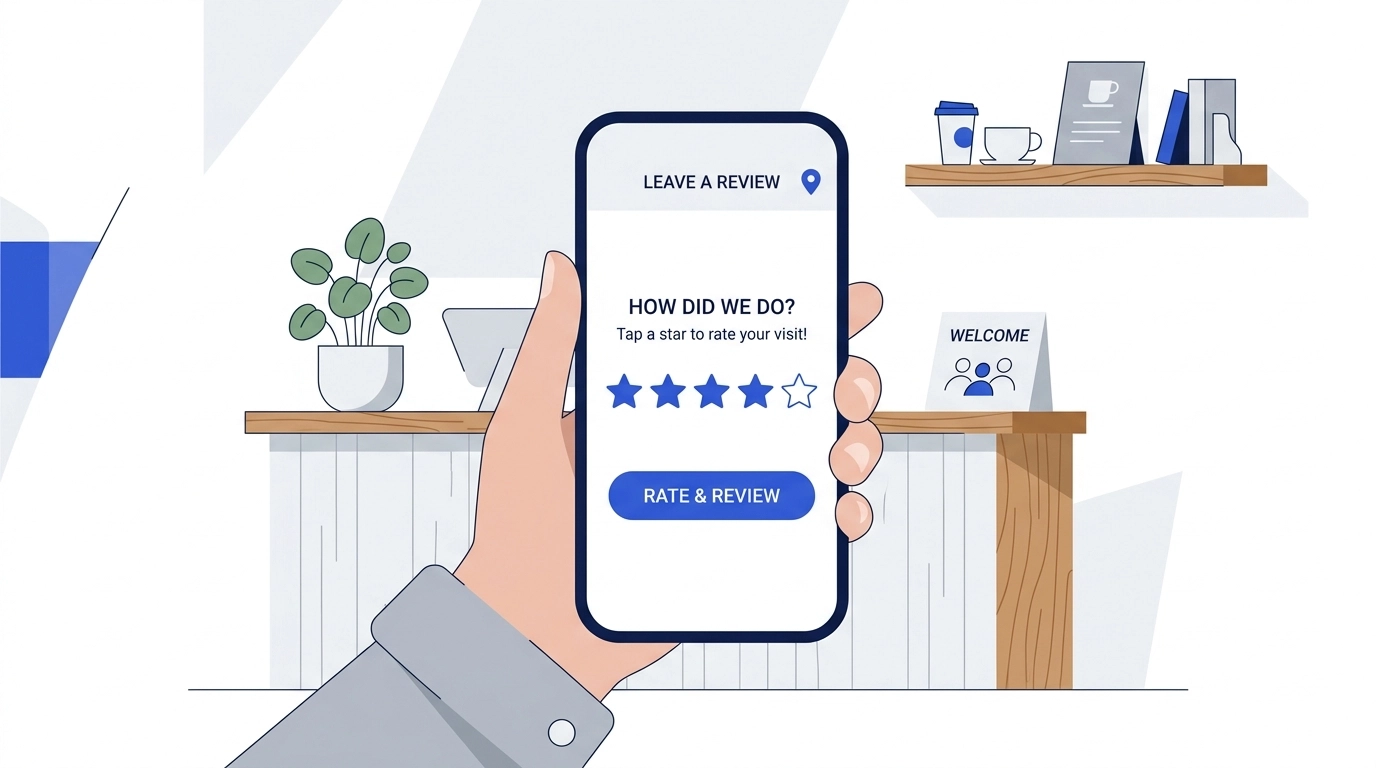
For many local businesses, SMS and WhatsApp work well because people tend to see them quickly. Email can still work too, but response times are often slower.
Be Consistent, Not Occasional
A lot of businesses only ask for reviews when someone on the team remembers. That usually means some happy customers get asked and others never do.
A better approach is to build it into your normal process. If every completed visit, appointment or job triggers a request, your review growth becomes far steadier.
You can do that manually, of course, but it often slips when things get busy. That is where software can help. YourReviews features let businesses automate requests by SMS, email or WhatsApp, which takes the pressure off staff having to remember every time.
Give People a Simple Reason to Respond
You do not need to offer rewards or push too hard. In fact, that can backfire.
What usually works better is a polite, straightforward message. Something like: "Thanks for coming in today. If you have a minute, we would really appreciate a quick review."
That sounds human, it respects the customer's time, and it makes the next step obvious.
How YourReviews Helps With the Manual Work
Most business owners already know they should ask for reviews more often. The problem is not understanding the idea. The problem is keeping it going when the day gets busy.
That is where a tool like YourReviews can be useful. It helps with the repetitive parts, so the process is more consistent and less dependent on memory.
One Place to Track Review Performance
Instead of checking different platforms separately, you can see your reviews in one dashboard. That makes it easier to keep an eye on things like: - Average star rating - Total number of reviews - Patterns in customer sentiment - How you compare with nearby competitors
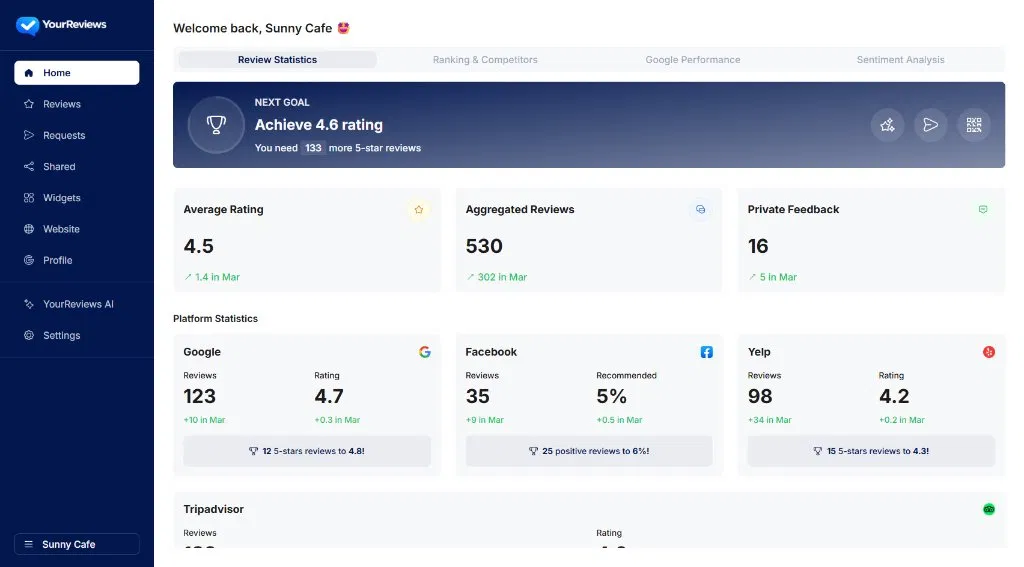
For a local business owner, that is helpful because it gives a clearer picture of what is improving and where attention might be needed.
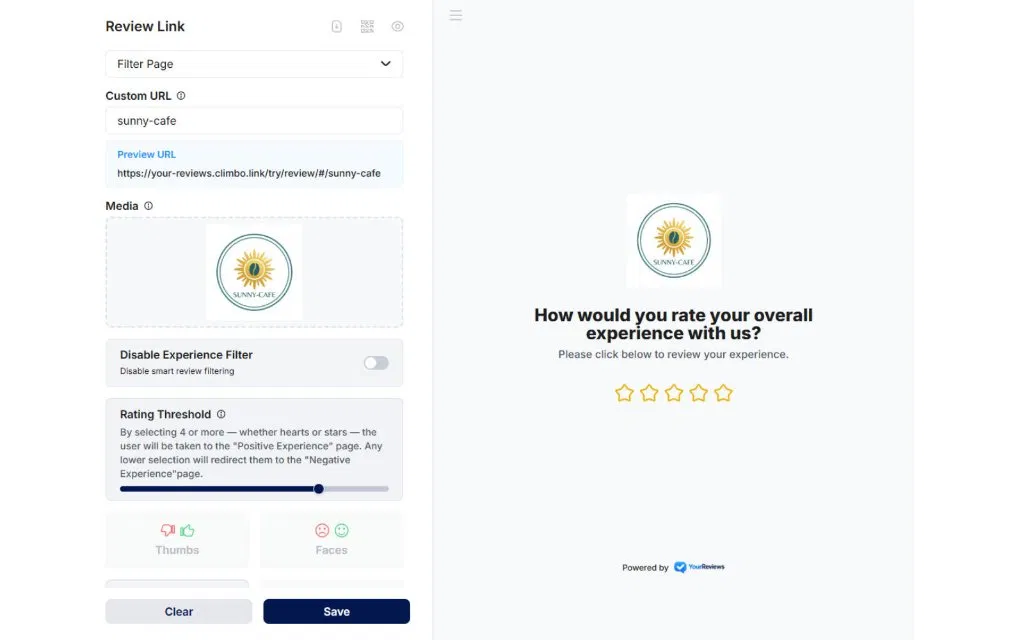
Direct Links and Private Feedback Routing
One of the simplest ways to improve review rates is to stop making customers search for you. If they can tap one link and go straight to the right place, more of them will complete the review.
YourReviews can create those direct review links, which removes a lot of friction.
It can also help route lower-rated feedback into a private channel first, so you get a chance to sort out issues before they become a public back-and-forth. Used properly, that can help with service recovery while keeping the public review process simple for happy customers.
The Reputation Flywheel and Local Search Visibility
Reviews do more than make your business look trustworthy. They can also help more people find you in the first place.
When a business keeps collecting fresh reviews, it sends positive signals to platforms like Google. Over time, that can support better local visibility.
What Matters in Google Maps
Google looks at several things when it comes to reviews, including: 1. Review volume: how many reviews you have. 2. Review velocity: how regularly new reviews come in. 3. Review spread: whether feedback appears across more than one platform.
If your business keeps earning new reviews, it can suggest that you are active, relevant and still serving customers well. That can help your profile perform better in local search and on Google Maps.
Why Social Proof Matters
More visibility is useful, but it only helps if people choose you once they find you.
That is where reviews have a second job. They act as social proof. If someone sees that lots of local customers have had a good experience, they are more likely to trust your business enough to get in touch or visit.
And when those new customers have a good experience as well, they can become your next reviewers. That is how the cycle builds over time.
Monitoring and AI-Powered Engagement
Getting reviews is only part of the job. Responding to them matters too.
When a business replies well, it shows customers that feedback is taken seriously. It also helps you stay engaged without letting reviews pile up unanswered.
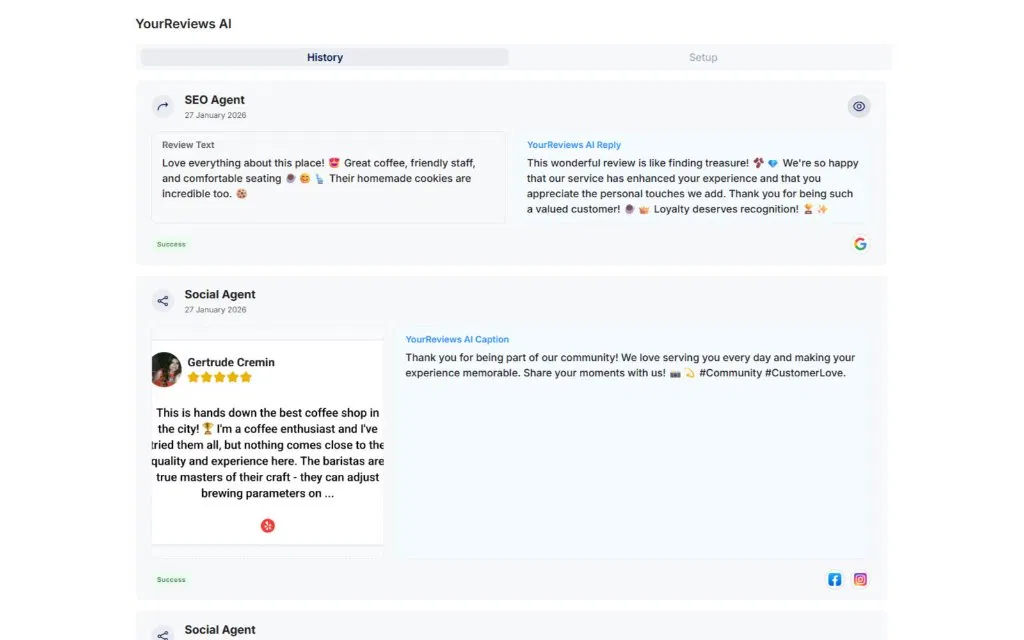
Automated Responses
YourReviews uses AI to help generate review replies, which can save time when you are dealing with a steady flow of feedback. - Positive reviews: replies can thank the customer and acknowledge their comments. - Negative feedback: replies can stay calm, professional and focused on resolving the issue.
The main benefit is consistency. You still want responses to feel appropriate, but automation can make it much easier to keep up.
Performance Analytics
It also helps to know whether your review activity is actually improving visibility.
The YourReviews dashboard shows useful search and engagement data in one place.
That can include: - Maps impressions: how often your business appears in map results - Search impressions: how often it appears in standard search results - Action clicks: things like calls, direction requests or other direct interactions
For a business owner, this helps connect reviews with real-world outcomes, rather than treating them as just a vanity metric.
A Simple Daily Review Strategy for Local Businesses
If you want more reviews coming in regularly, keep the process simple.
Step 1: Ask Every Customer, Not Just the Ones You Remember
Do not leave it to memory or guesswork. Build review requests into your normal workflow so it happens consistently.
Step 2: Ask at the Right Time
Send the request while the experience is still fresh. That might be just after payment, later that day or the following morning, depending on the type of business.
Step 3: Use a Direct Link
Do not make customers search for your listing. Send them straight to the review page.
Step 4: Keep the Message Short and Natural
Write the way you would speak. A short, polite message is usually enough.
Step 5: Automate Where It Makes Sense
Manual systems work until the team gets busy. If you can automate the asking, the reminders and the tracking, it becomes much easier to stay consistent.
Conclusion
Most customers do not ignore review requests because they are unhappy or unwilling. More often, they forget, get distracted or run into a process that feels like too much effort.
If you want more reviews, focus on the basics. Ask at the right time. Make it easy. Keep doing it consistently.
That is usually what makes the difference. And if doing it all manually is becoming a chore, using a tool like YourReviews can help keep the process running in the background without adding more admin to your day.