
The Gemini 'Photo Nudge': How AI is Turning Customer Photos into Reviews
If you’ve walked into a cafe or a hair salon lately, you’ve probably noticed something: almost everyone has their phone out. They aren't just texting; they're documenting. A quick snap of a latte, a photo of a fresh haircut in the mirror, or a wide shot of a beautifully designed interior.
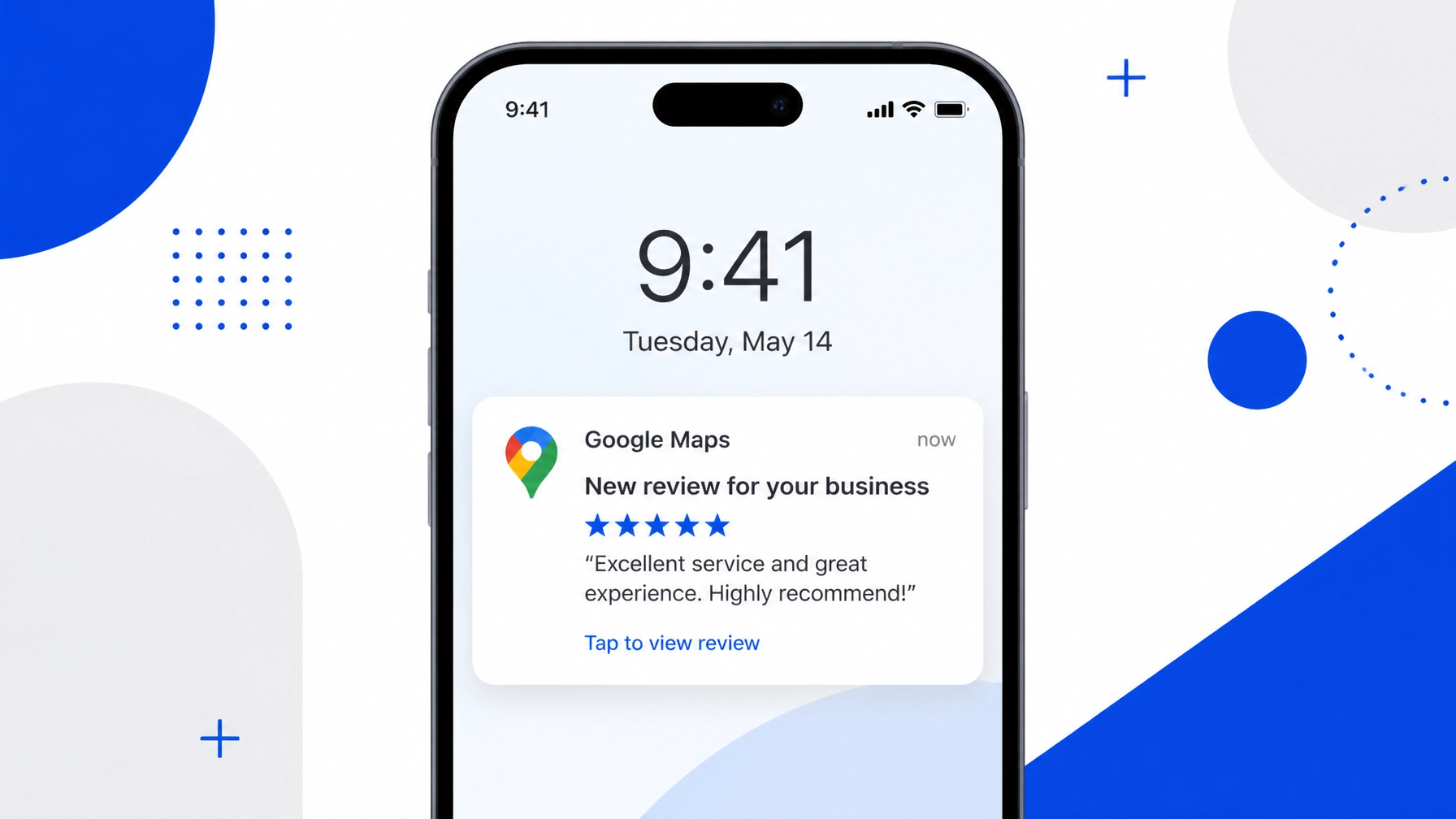
Until recently, those photos usually just sat in a customer’s camera roll or, at best, ended up on an Instagram story that vanished after 24 hours. But as we move further into 2026, Google has changed the game. Through its Gemini AI integration, Google Maps has introduced what’s being called the ‘Photo Nudge’, a feature that is quietly, but significantly, shifting how local businesses collect reviews.
What exactly is the 'Photo Nudge'?
For years, Google has sent occasional notifications asking you to "rate your visit" to a place it knows you’ve been. It was helpful, but often easy to ignore. The new Gemini-powered system is different because it’s contextual and visual.
Gemini now scans a user's recent photos and cross-references them with their location history. When it detects that a customer has taken a high-quality photo at your business, it doesn't just ask for a review; it prompts them with the photo they just took. It says, in essence: "You took a great photo at The Blue Bistro yesterday. Would you like to share it and tell others what you thought?"
It goes a step further, too. Gemini can actually "see" what’s in the photo. If it’s a picture of a menu, it might ask about the pricing. If it’s a photo of a plate of food, it might ask how it tasted. It even offers to draft a review based on these cues, which the customer can then tweak and post in seconds.
Why this is a "huge deal" for Local SEO
In the world of local business marketing, we’ve always known that reviews are the lifeblood of visibility. But not all reviews are created equal. Google’s algorithm has a clear preference for reviews that include photos and detailed text.
- Increased Review Velocity: Because the "friction" of writing a review has been removed (the AI does the heavy lifting), more people are posting. A business that used to get five reviews a month might now see twenty.
- Rich Visual Content: Google Maps is becoming a visual discovery engine. When Gemini nudges users to post their photos, your business profile becomes a live gallery of real customer experiences. This builds far more trust than professional, staged marketing shots.
- Better Keywords: When Gemini drafts a review for a customer, it often includes specific keywords (like "sourdough bread" or "balayage") that it identified in the photo. These keywords help your business show up when other people search for those exact things.
The Challenge: Managing the Influx
While more reviews are a good thing, they bring a new challenge: management. As a business owner, your response time, often referred to as your Service Level Agreement (SLA), matters more than ever.
Google’s AI-driven system doesn’t just help customers write reviews; it also monitors how quickly you engage with them. If you’re suddenly receiving five times the reviews you’re used to, it’s easy to fall behind. A review left with a photo deserves a thoughtful, prompt response, but finding the time to do that between serving customers is tough.
This is where YourReviews steps in. Our platform is designed to handle this exact surge. By aggregating these new, photo-heavy reviews into one dashboard and using AI to help you draft professional, unique responses, we ensure you maintain that "human" touch without spending hours at your laptop every evening.

Your Business Checklist: Preparing for the Photo Nudge
If you want to turn this AI shift into a competitive advantage, you need a plan. You can’t control Google’s algorithm, but you can control the "photo moments" in your business.
1. Map Your 'Photo Moments'
Look at your business through a lens, literally. Where are people most likely to take a photo? * Restaurants: Is the lighting over the tables good enough for a clear food shot? * Retail: Do you have a "social media-friendly" corner or a unique display? * Service Providers: Is your reception area clean and branded?
The better the photo the customer takes, the more likely Gemini is to "nudge" them to post it.
2. Monitor Your Response SLAs
In 2026, a response three days later is a "late" response. Aim to reply within 24 hours. This signals to Google that your business is active and attentive. If you’re struggling to keep up, using automated review tools can help you stay on top of the pile without losing the personal connection.

3. Use Rapid-Response Templates (But Customise Them)
Don't use the same "Thanks for the review!" for every customer. Especially with photo reviews, you should acknowledge what’s in the picture. If they posted a photo of a specific dish, mention it in your reply. "That pasta looks great in your photo, so glad you enjoyed the homemade sauce!" Gemini loves this kind of contextual relevance.
4. Train Your Staff on "The Ask"
Even though AI is doing the nudging, a verbal reminder doesn't hurt. Instead of the old "Please leave us a review," try: "If you took any photos today, Google might ask you to share them later: we’d love to see them on our profile!" It’s a softer, more modern way to encourage engagement.
Quality over Quantity (Still)
It’s worth noting that while Gemini is making it easier to post, it’s also getting better at spotting "junk." Low-quality, blurry photos or generic, one-word reviews don't carry the same weight as they used to.
Google wants to see authentic engagement. The 'Photo Nudge' is designed to surface the best parts of your business through the eyes of your customers. Your job is simply to provide an experience worth photographing and then engage with the feedback as it rolls in.

Final Thoughts
The integration of Gemini into Google Maps is a clear signal: the era of the "static" business listing is over. Your online reputation is now a living, breathing entity powered by AI and customer creativity.
By understanding how these nudges work, you can stop being a passive observer and start actively shaping how your business is perceived. Whether it's through optimising your local rankings or using automation to manage the volume, the goal is the same: stay visible, stay relevant, and stay human in an increasingly AI-driven world.
The businesses that thrive in this new landscape aren't necessarily the ones with the biggest marketing budgets; they’re the ones that make it easy and rewarding for their customers to tell their story. So, take a look around your shop today: is there a "photo moment" waiting to happen?