The Local Pack Playbook: 5 Simple Tweaks for Better Maps Visibility This Month
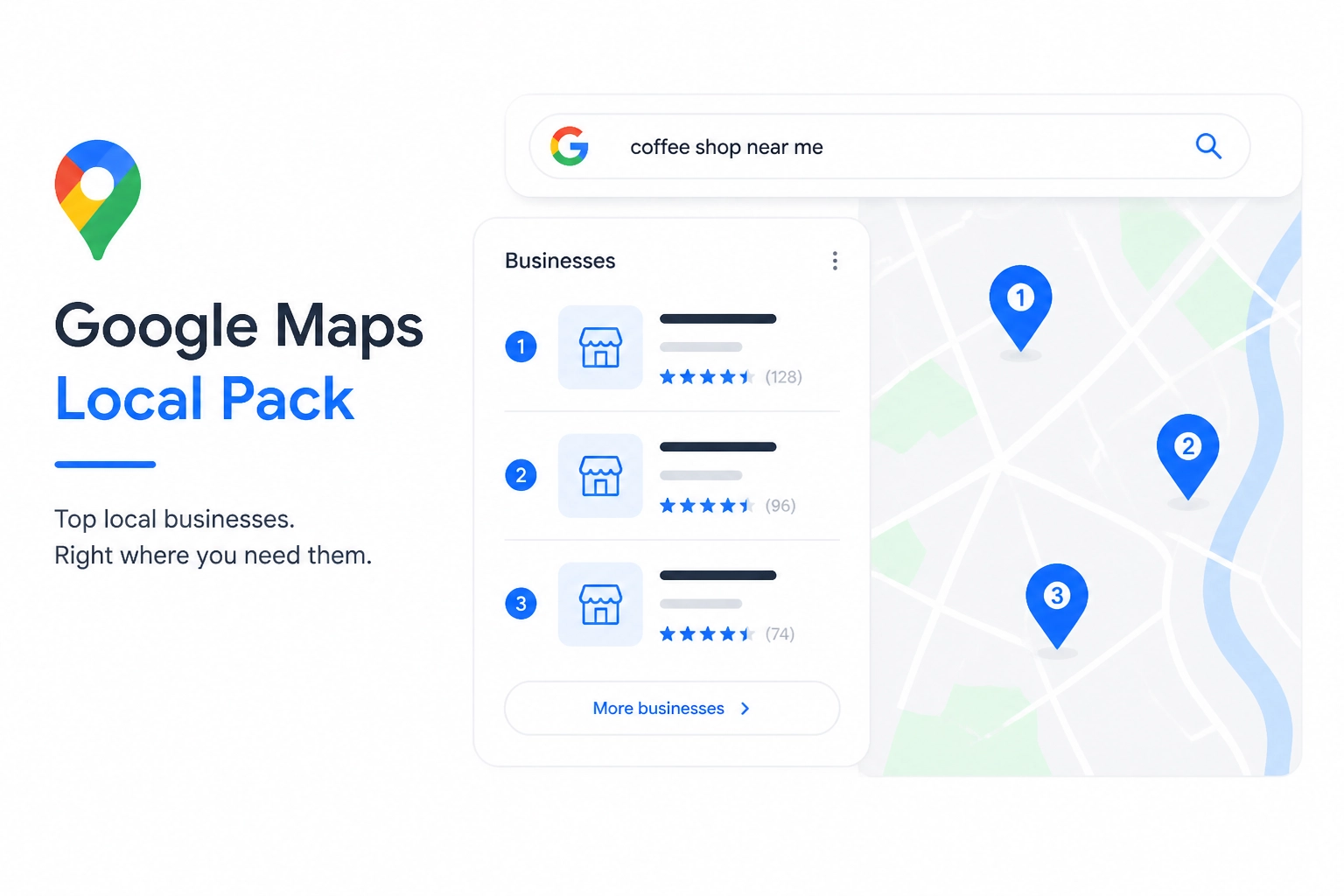
If you own a local business in the UK, you already know that the "Local Pack": those three golden spots at the top of a Google search results page: is the holy grail of marketing. In 2026, the competition for these spots has shifted from "who has the most reviews" to "who is the most relevant right now."
Local search visibility in 2026 isn't just about showing up; it’s about proving to Google’s algorithm that you are open, active, and providing genuine value to your community. If your ranking has slipped recently, or you’re struggling to break into that top three, it’s likely because you’re following an outdated playbook.
The good news? You don’t need a massive marketing budget or a degree in data science to fix it. Here are five simple, actionable tweaks you can make this month to sharpen your local search visibility and reclaim your spot on the map.
1. Master the "Openness" Signal
For years, business owners treated their Google Business Profile (GBP) opening hours as a "set and forget" task. In 2026, that has changed. Google now heavily weights what SEO experts call the "openness signal."
Essentially, Google’s primary goal is to provide a good user experience. If someone searches for "emergency plumber near me" at 9:00 PM, Google is far less likely to show a business that is listed as "Closed," even if that business has a higher rating than the one that is open. More importantly, recent algorithm updates suggest that businesses are being de-ranked in real-time during the hours they are closed, even for non-emergency searches.
How to optimise:
- Be precise, not aspirational: Don't list your business as "24 hours" unless you truly answer the phone or have a physical presence around the clock. If Google detects (via location data or user feedback) that you aren’t actually open when you say you are, your visibility will plummet.
- Update for Bank Holidays: With several UK bank holidays scattered throughout the year, failing to update your "Special Hours" is a major red flag for Google. It suggests the profile isn't being managed.
- Consider "By Appointment" settings: If you don't have a storefront and work by appointment only, ensure your profile reflects this clearly to avoid being penalised for not having "standard" shop hours.
2. Leverage "Information Gain" in Your Reviews
In the past, a simple "5 stars, great service!" was enough to help you climb the rankings. Today, Google’s AI is much smarter. It looks for "Information Gain": unique, specific details that provide more value than a generic compliment.
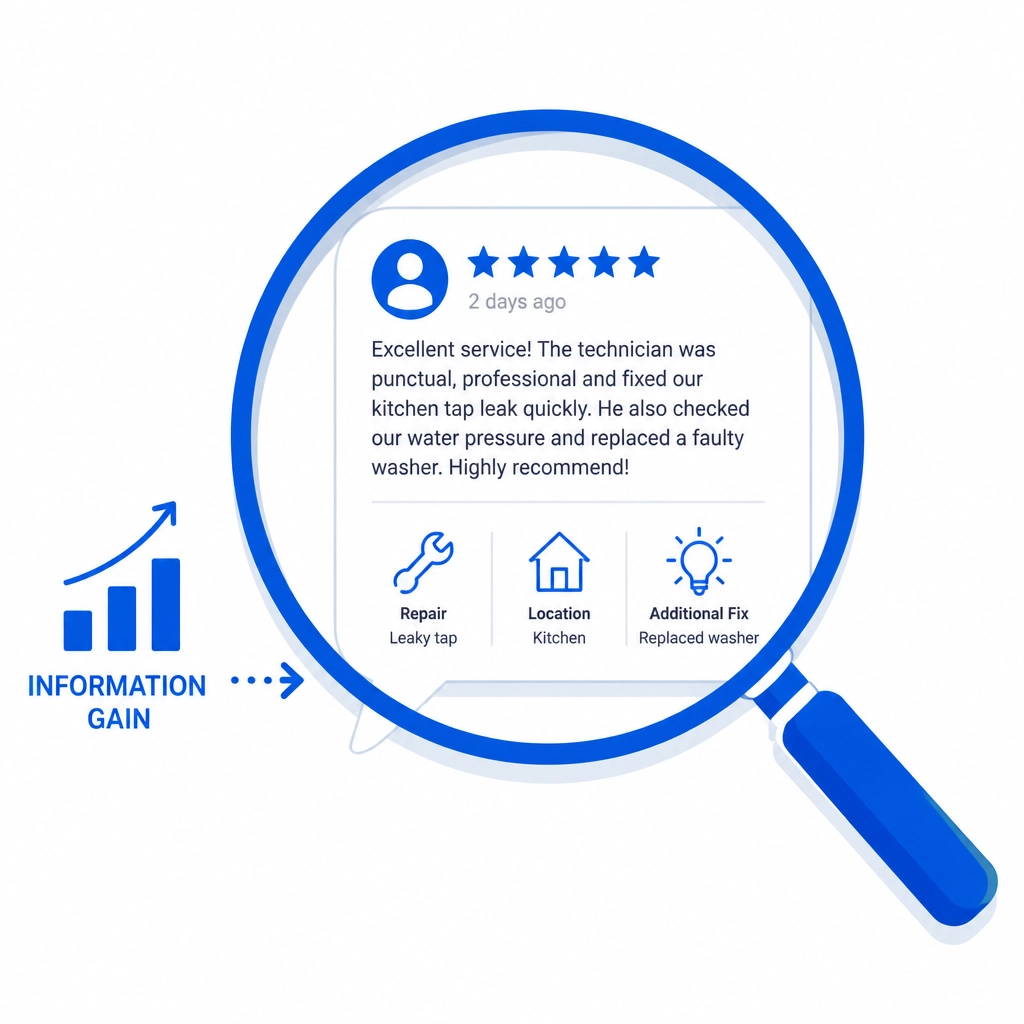
When a customer leaves a review that says, "John fixed our leaking kitchen tap in under an hour and even gave us advice on our boiler pressure," Google extracts several key data points. It confirms you provide "tap repair," "boiler advice," and that you work in "kitchens." This rich data builds a much stronger relevance profile than fifty "Great job!" reviews ever could.
How to optimise:
- Prompt your customers: When you ask for a review, don’t just ask for stars. Say something like, "If you have a moment, could you mention which service we provided today?"
- Reply with detail: If the customer keeps it brief, use your AI-powered response to fill in the gaps. For example: "Thank you for the review! We're glad we could help with your [Specific Service] in [Specific Neighbourhood]."
- Use YourReviews for automation: Tools like YourReviews can help you manage these interactions by automatically requesting feedback and using AI to generate professional, context-aware replies that reinforce your local relevance.
3. Prioritise Review Recency and Velocity
One of the most common mistakes local business owners make is "review sprinting": gathering 30 reviews in a week and then doing nothing for three months. To Google, this looks suspicious or suggests the business has gone quiet.
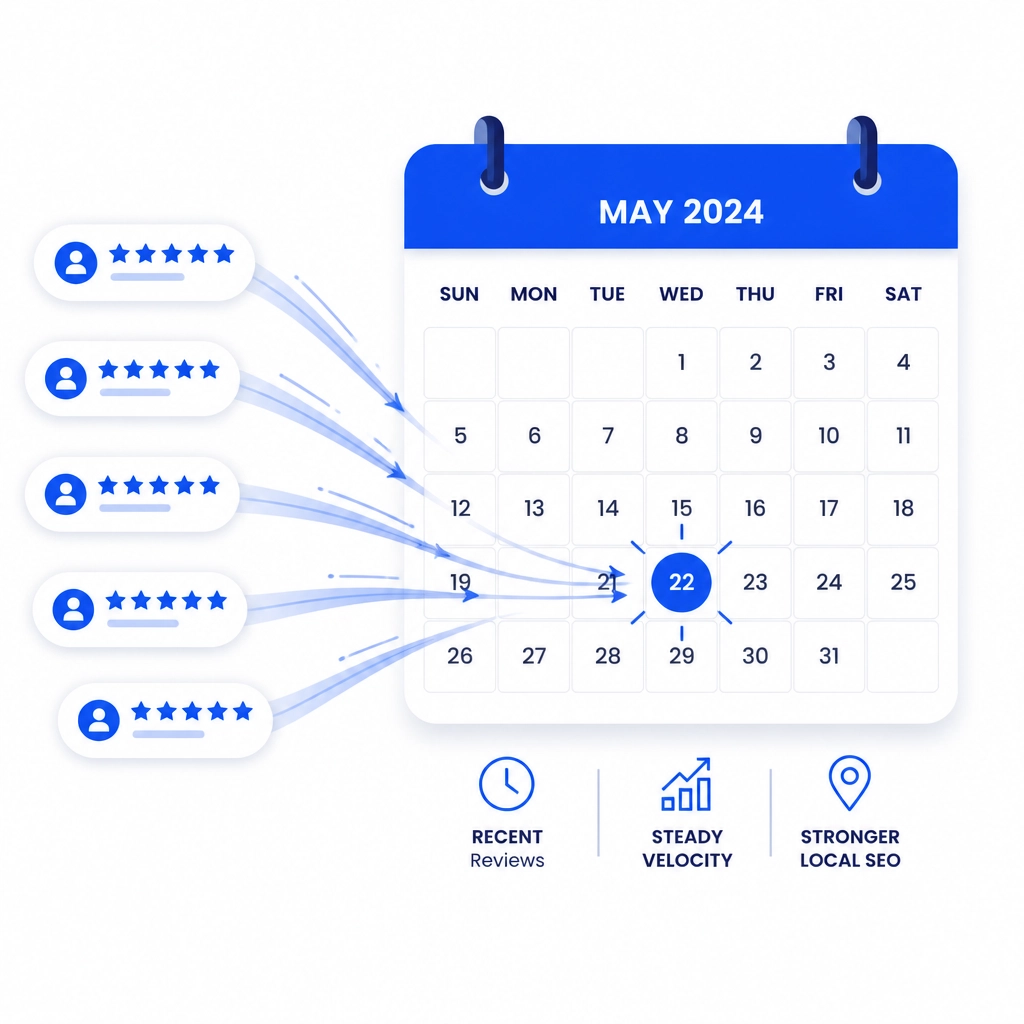
In 2026, review recency is a top-tier ranking factor. A business with 20 reviews from the last month will often outrank a competitor with 200 reviews from two years ago. Google wants to see a "velocity": a steady, natural stream of feedback that proves you are still operating at a high standard.
How to optimise:
- Automate the request: Don't rely on your memory to send a WhatsApp or SMS after a job. Use a system that integrates with your daily workflow to send requests automatically.
- Monitor the gaps: If you haven't received a review in over 14 days, your "freshness" score starts to dip.
- Diversify your platforms: While Google is king, having recent reviews on Facebook or industry-specific sites (like Checkatrade or Trustpilot) builds a "web of trust" that Google's crawlers definitely notice.
4. Audit Your Primary and Secondary Categories
This is perhaps the most underrated tweak in the playbook. Your "Primary Category" carries an enormous amount of weight for local search visibility. If you are a "Dental Clinic" but your primary category is set to "Doctor," you are missing out on your most relevant traffic.
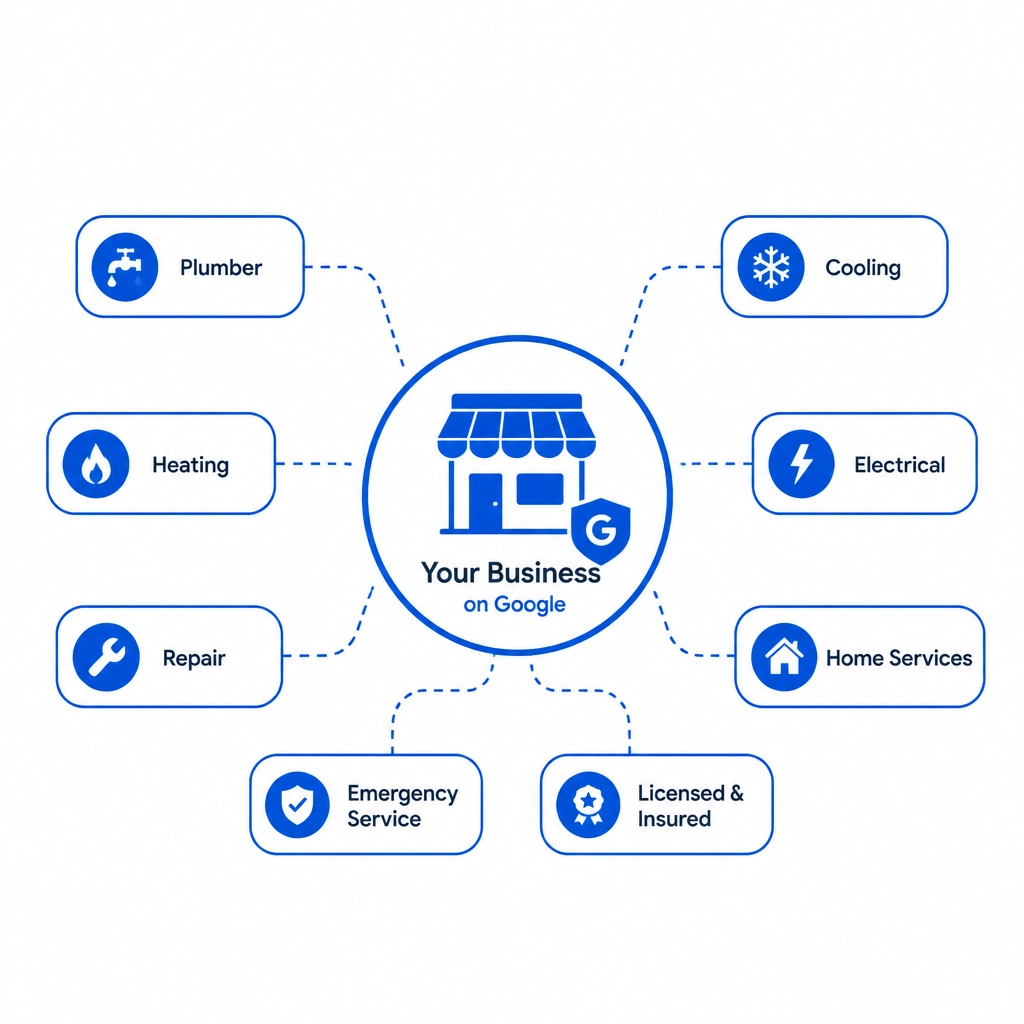
However, many businesses also neglect their Secondary Categories. These allow you to show up for "long-tail" searches. For a hair salon, secondary categories might include "Hair Extensions Technician," "Barber Shop," or "Hair Colourist."
How to optimise:
- Check the competition: Look at the top three businesses in the Local Pack for your main keyword. What is their primary category? If it's different from yours, you might need to switch.
- Be specific: Don't just choose "Contractor" if you can choose "Heating Contractor."
- Seasonal adjustments: Some businesses benefit from changing their focus slightly depending on the time of year (e.g., a landscaping company focusing on "Snow Removal" in winter categories, if applicable).
5. Fill the "Attribute" Gaps
Attributes are the small icons and snippets of text that appear on your profile, such as "Identifies as women-owned," "Wheelchair accessible entrance," or "Free Wi-Fi." In 2026, these are no longer just "nice to haves."
Google is increasingly using these attributes as filters. If a user searches for "dog friendly cafe near me," Google will specifically look for the "Pets allowed" attribute. If you haven't ticked that box, you won't show up, regardless of how many 5-star reviews you have.
How to optimise:
- Go through every option: Open your GBP dashboard and look at the "Attributes" section. Google adds new ones frequently.
- Check "Online" attributes: If you offer "Online Appointments" or "On-site Services," make sure these are toggled on.
- Highlight your USPs: Use attributes to show what makes you different. In a crowded market, being the only "LGBTQ+ friendly" or "Veteran-led" business in the area can be a significant tie-breaker for customers.
Staying Ahead of the Curve
Improving your local search visibility in 2026 is less about "gaming the system" and more about providing a clear, honest, and frequently updated digital storefront. Google’s algorithm is trying to mimic a human’s recommendation; it wants to suggest a business that is open, popular right now, and clearly an expert in what it does.
By tightening up your opening hours, encouraging detailed feedback, and ensuring your categories are spot-on, you are giving the algorithm exactly what it needs to put you in front of more local customers.
The most successful businesses are those that treat their online reputation as a living asset. Whether you're a local café or a regional home service provider, staying active and responsive is the most reliable way to stay at the top of the map. If you find the manual work of chasing and replying to reviews too time-consuming, platforms like YourReviews are designed to handle the heavy lifting in the background, allowing you to focus on the work that gets those 5-star reviews in the first place.