The Silent Killer of Small Businesses: Managing Your Online Reputation in 2026
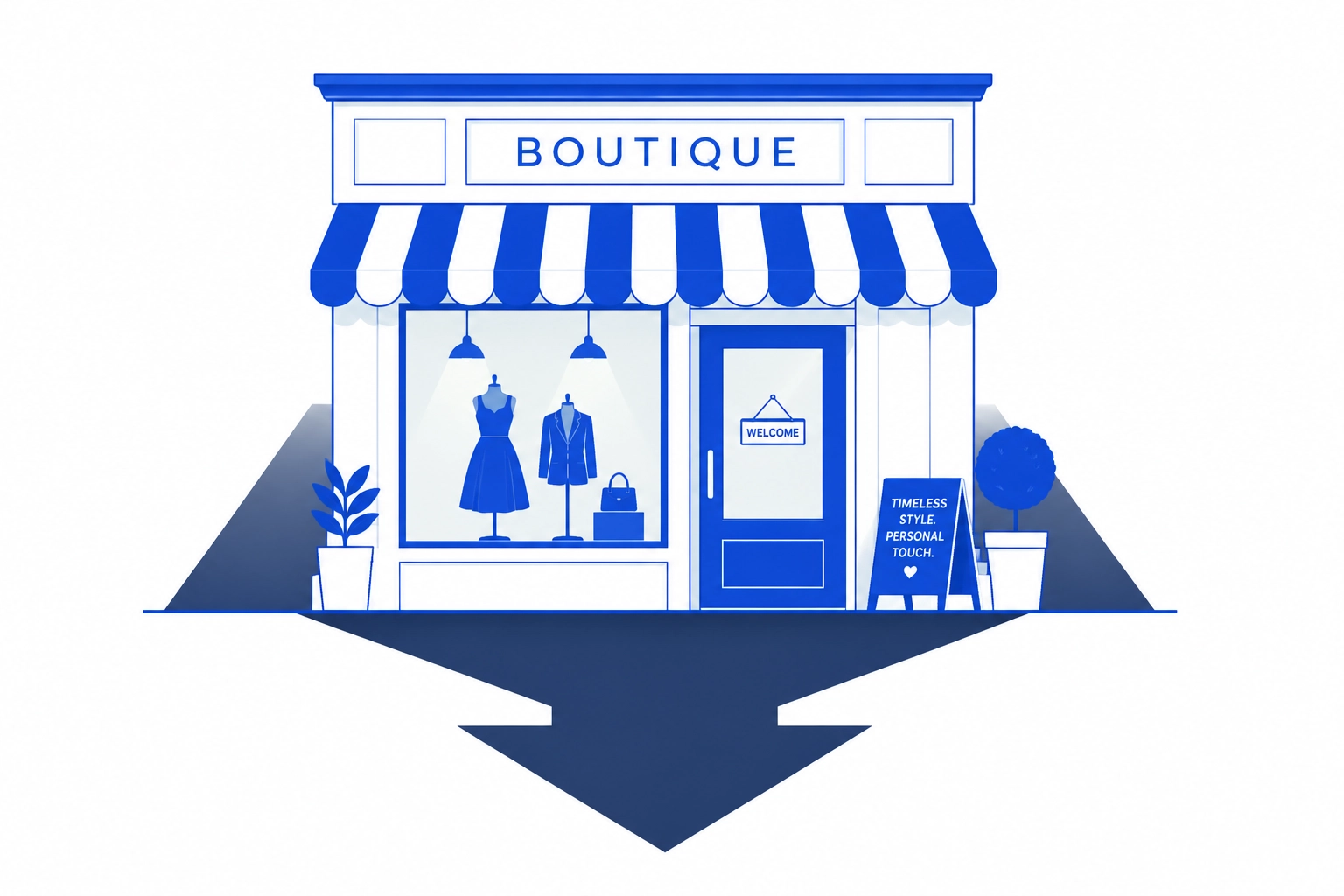
In 2026, the way a local business dies isn’t usually with a bang. It doesn’t often happen because of a sudden, catastrophic event or a massive surge in local taxes. Instead, it happens slowly, quietly, and almost entirely out of sight.
I call it the Silent Killer: the gradual erosion of your online reputation.
Years ago, a few bad reviews might have been a nuisance. Today, they are a terminal diagnosis. As we move through 2026, the digital landscape has shifted so fundamentally that "managing your reputation" is no longer a marketing task you can get to when you have a spare moment. It is the very foundation of your business's survival.
If you aren't actively monitoring what the internet says about you, you aren't just missing out on new customers: you are actively pushing them into the arms of your competitors.
The Cost of Staying Quiet
Let’s look at the cold, hard reality of how customers behave today. Research in 2026 shows that a staggering 94% of consumers have been convinced to avoid a business based solely on a negative review. Think about that for a second. Nearly every person who finds you online is looking for a reason not to use you.
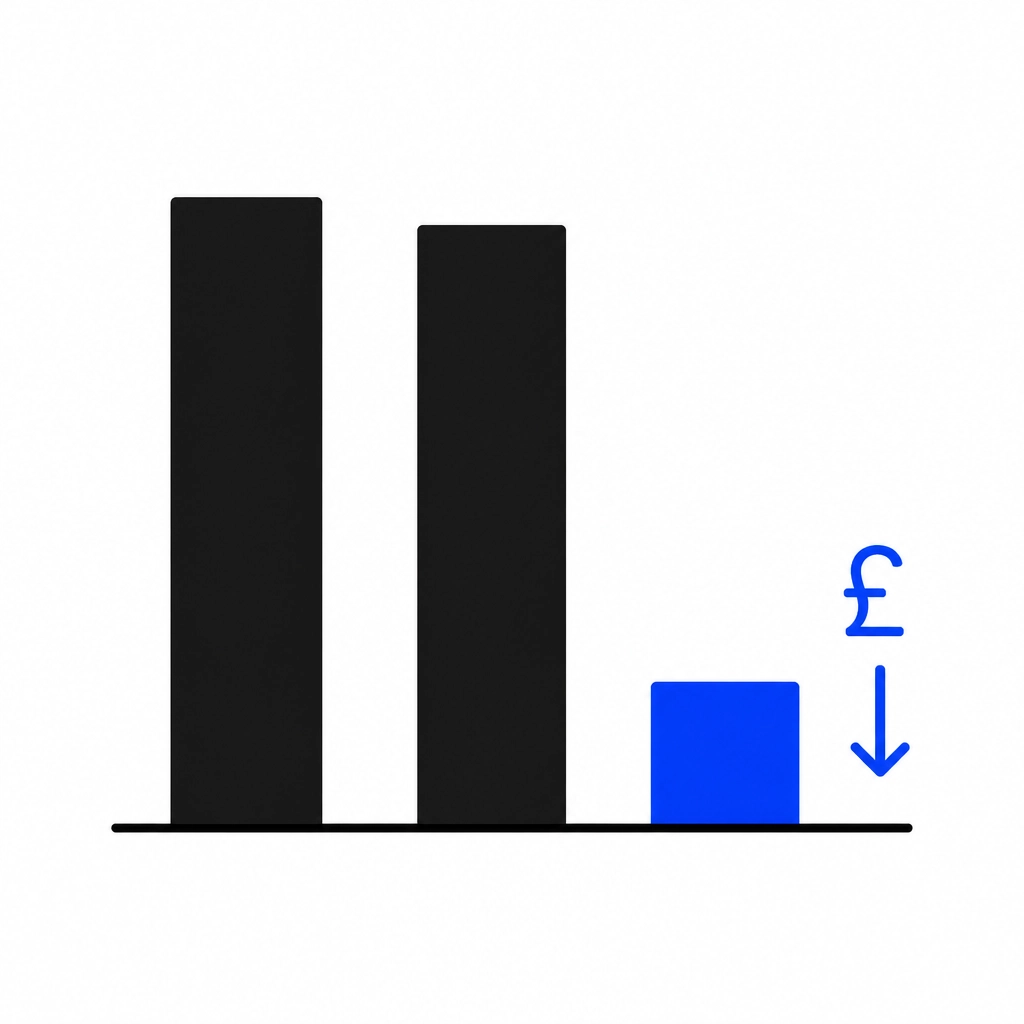
Even more concerning is the "Star Gap." A business with a 4.2-star rating might feel like it’s doing well, but in a world where your competitors are sitting at 4.8 or 4.9, that 0.6 difference is a chasm. Statistics now show that a single one-star drop in your average rating can lead to a 5% to 9% decrease in total revenue. For a small business, that’s often the difference between a profitable year and barely breaking even.
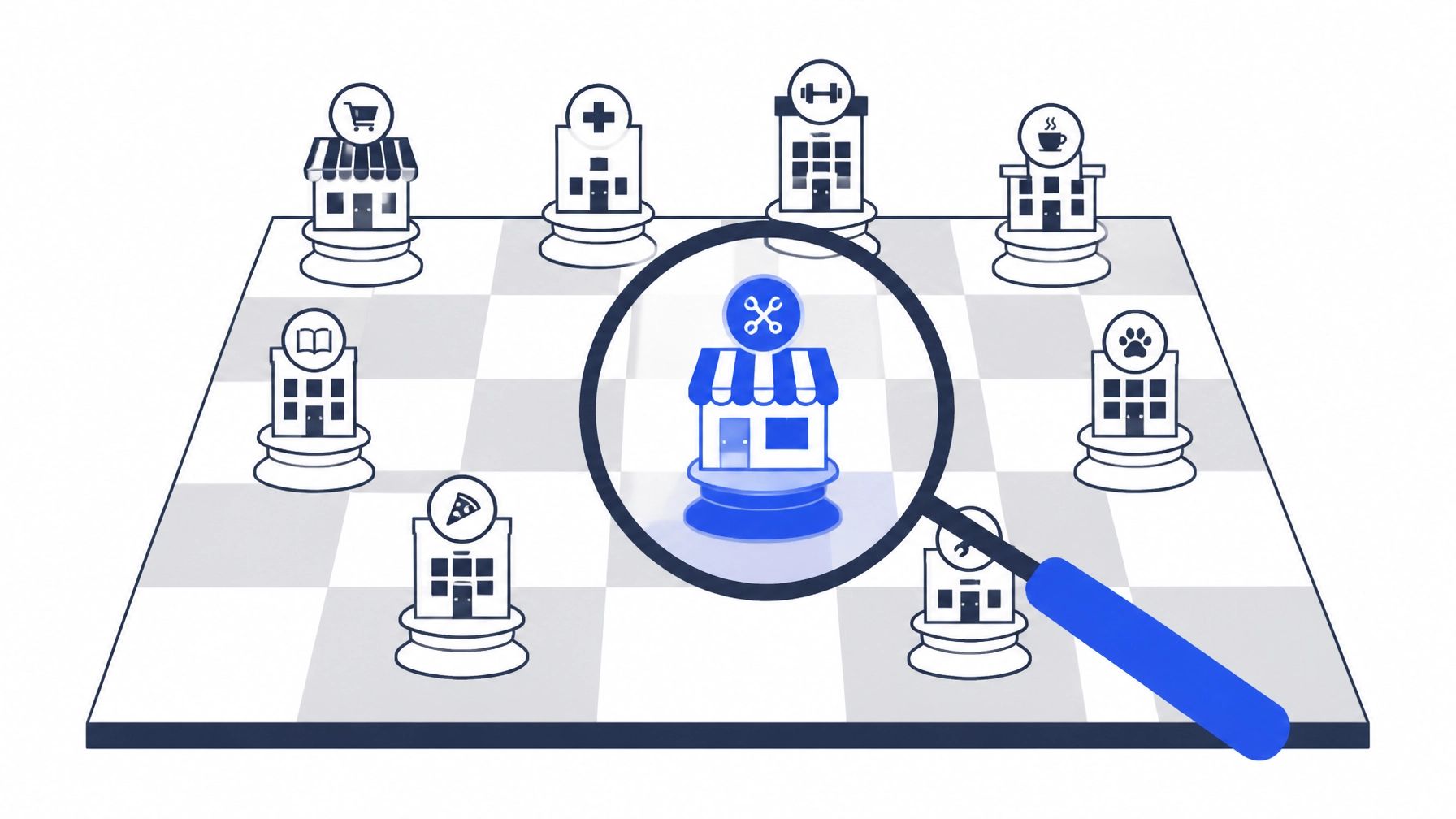
The problem is that many business owners don't see the customers they lose. They only see the ones who walk through the door. They don't see the hundreds of people who searched for "plumber near me" or "best hair salon," saw a few unanswered negative comments, and kept scrolling. That is the silent nature of this killer: it robs you of opportunities before you even know they exist.
The Rise of "Zero-Click" Reputation
We have entered the era of the "Zero-Click" customer. In 2026, search engines and AI assistants have become incredibly good at summarising information. When someone searches for your business, they often don’t even click on your website. Instead, they read an AI-generated summary of your reviews.
These AI systems scrape your Google Business Profile, your Facebook page, and even niche industry sites to tell a story about your business. If your recent reviews mention "slow service" or "unfriendly staff," the AI will literally warn the customer before they’ve even seen your phone number.
This means your reputation is no longer just a collection of stars; it’s the data that feeds the algorithms deciding your visibility. If the data is poor: or worse, non-existent: you become invisible. In 2026, having no reviews is almost as bad as having bad ones. A lack of feedback signals to AI that your business is either inactive or untrustworthy.
The Manual Management Trap
I speak to many local business owners who tell me, "I handle the reviews myself. I check Google once a week."
In 2026, that approach is a recipe for disaster. The speed of the internet has outpaced the human ability to keep up. Customers now expect a response to a negative review within 24 hours. If you wait a week, the damage is done. The customer feels ignored, and everyone else who sees that review sees a business that doesn't care.
Furthermore, reviews are now scattered across more platforms than ever. While Google remains king, niche platforms and social media feedback carry immense weight. Trying to manually log in to four different dashboards every day to see if someone left a comment is a waste of your most precious resource: time.
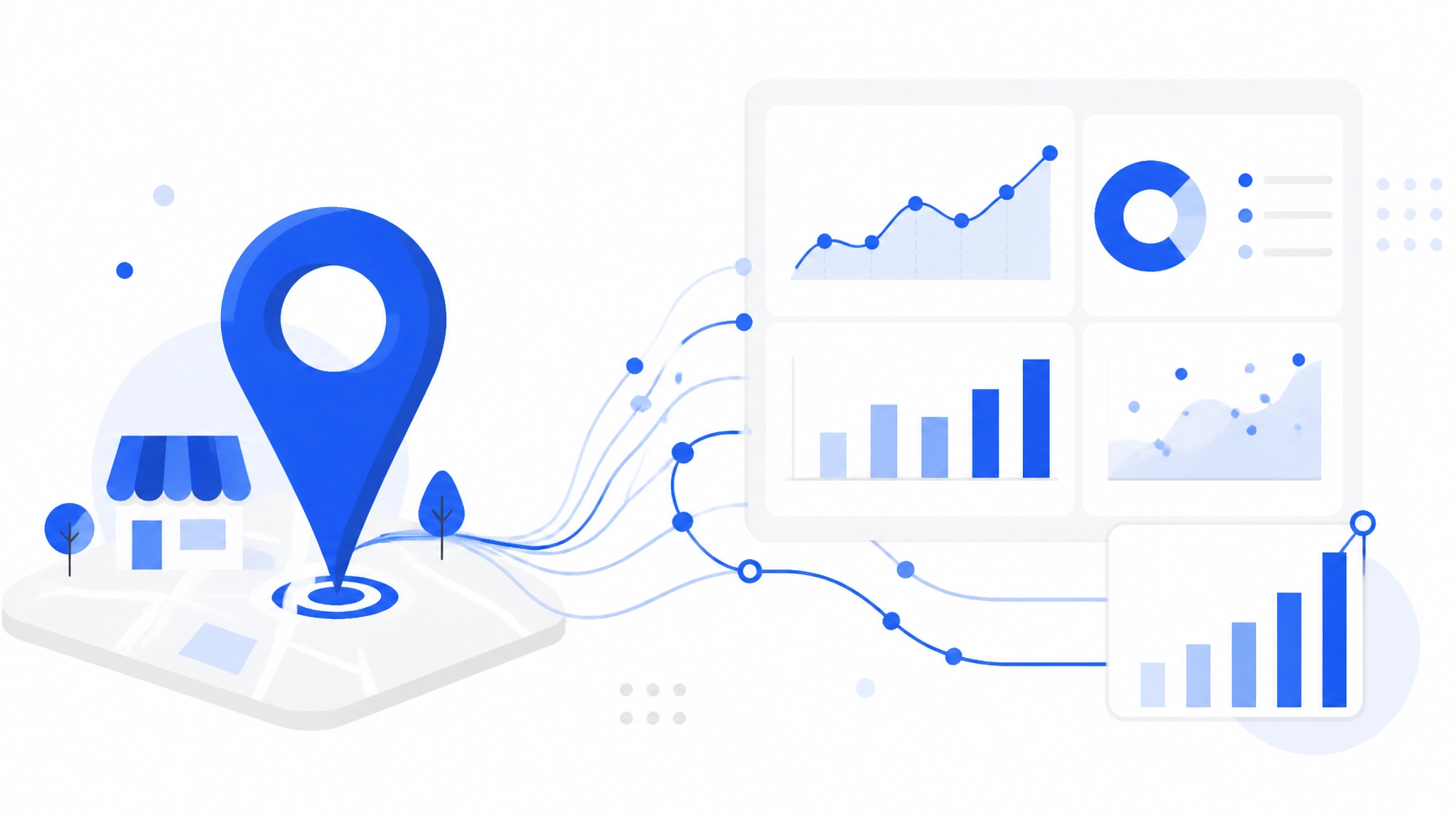
Small businesses that are thriving in 2026 have moved away from this fragmented, manual approach. They use centralised systems to bring every mention of their business into one place. They treat their reputation like their bank account: something that needs constant monitoring and proactive investment.
Turning the Flywheel: From Feedback to Visibility
The secret to modern reputation management isn't just "fixing" bad reviews; it's about creating a growth flywheel.
When you consistently collect positive reviews, your local search ranking improves. This increased visibility brings in new customers. When those customers have a great experience and leave more reviews, the cycle repeats, and your visibility climbs even higher.
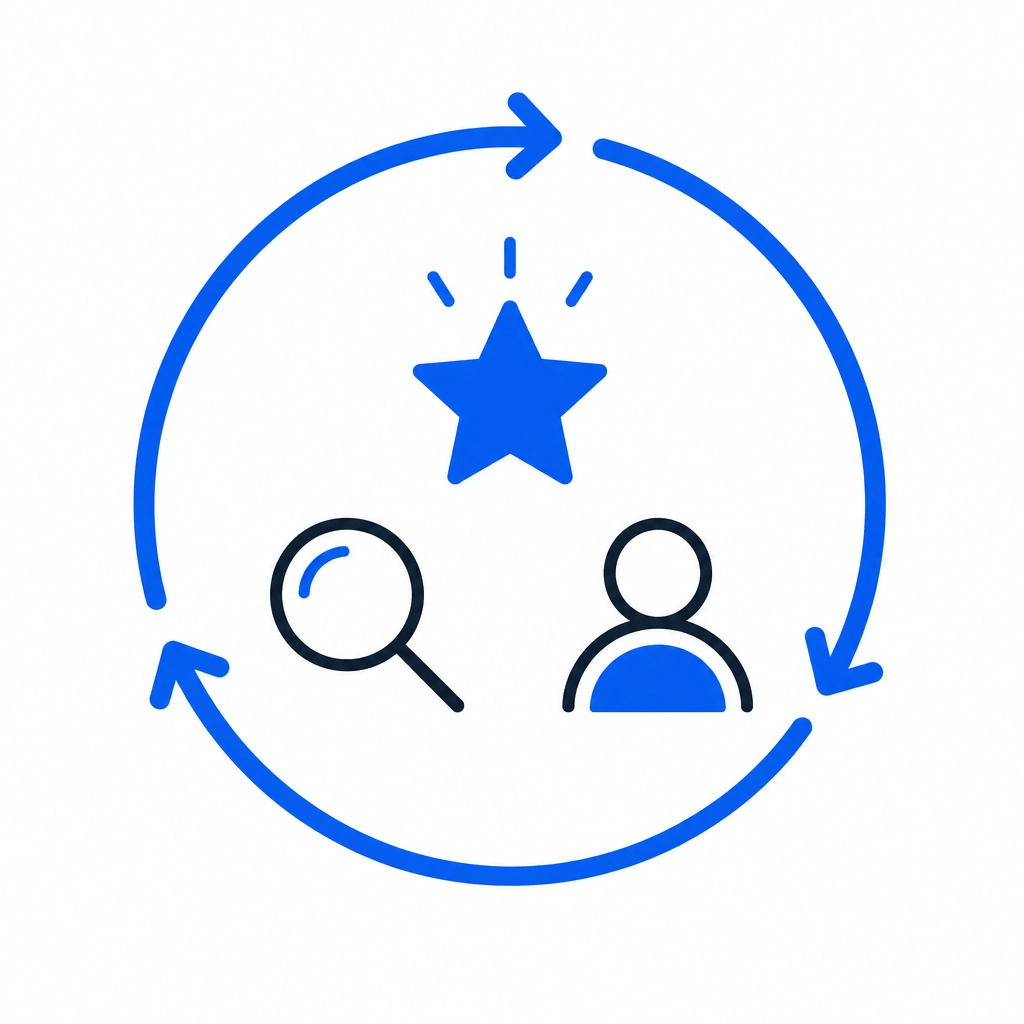
However, this flywheel doesn't spin itself. You have to ask. Most happy customers are more than willing to leave a review, but they won't do it unless you make it incredibly easy for them. In 2026, the "ease of review" is a competitive advantage. If a customer has to search for your profile and figure out where to click, they won't do it. If they get a polite SMS or WhatsApp message with a direct link while they are still in your shop or just after a service is completed, your success rate skyrockets.
AI: Your New Assistant, Not Your Replacement
A major trend this year is the use of AI to help manage the sheer volume of feedback. AI-powered replies are a lifesaver for busy owners, but there is a right way and a wrong way to use them.
The wrong way is to let a bot post generic, robotic "Thank you for your feedback" messages to everyone. Customers can spot a canned response from a mile away, and it feels insincere.
The right way is to use AI as a draft-writer. It can analyse the sentiment of a review, highlight the specific points the customer made, and suggest a professional, warm response. You then give it a quick "once-over," add a personal touch, and hit send. This hybrid approach allows you to respond to 50 reviews in the time it used to take to write five, without losing the human connection that local businesses are built on.
A Reputation Checklist for 2026
If you want to ensure your business isn't being quietly killed by its online presence, here are the non-negotiables:
- Centralise Your View: Don't hop between apps. Use a single dashboard to monitor Google, Facebook, and any industry-specific sites.
- Automate the Ask: Don't rely on staff remembering to ask for reviews. Set up a system that sends a request automatically via SMS or email after a transaction.
- Respond to Everything: Every review deserves a reply. Positive ones build loyalty; negative ones provide a chance for public redemption.
- Track Your Rankings: Your reputation and your position on the map are linked. If your ratings go up, your visibility should too. If they don't, you need to look at your SEO.
- Show Off Your Stars: Don't leave your reviews on the review sites. Embed them on your website and turn them into social media content. Social proof is the best marketing you have.

Final Thoughts
The "Silent Killer" is only deadly if you ignore it. Managing your reputation in 2026 isn't about being perfect; it's about being present. It’s about showing potential customers that you listen, you care, and you are active.
By taking control of your online presence and using the tools available to automate the heavy lifting, you turn your reputation from a hidden risk into your most powerful growth engine. Don't let your business be the one that fades away because you weren't looking at the digital mirror. Start listening to what the world is saying, and more importantly, start joining the conversation.