WhatsApp vs SMS: Which Channel Actually Gets More Reviews for UK Businesses?
Getting a customer to actually leave a review is a bit like trying to get a teenager to tidy their room. You know they heard you, they probably intend to do it eventually, but the moment you ask, they’re distracted by something else. In the world of local UK business, that "something else" is usually life. They’ve finished their coffee, paid the bill, or left the salon, and the last thing on their mind is hunting down your Google Business Profile to write three sentences about their experience.
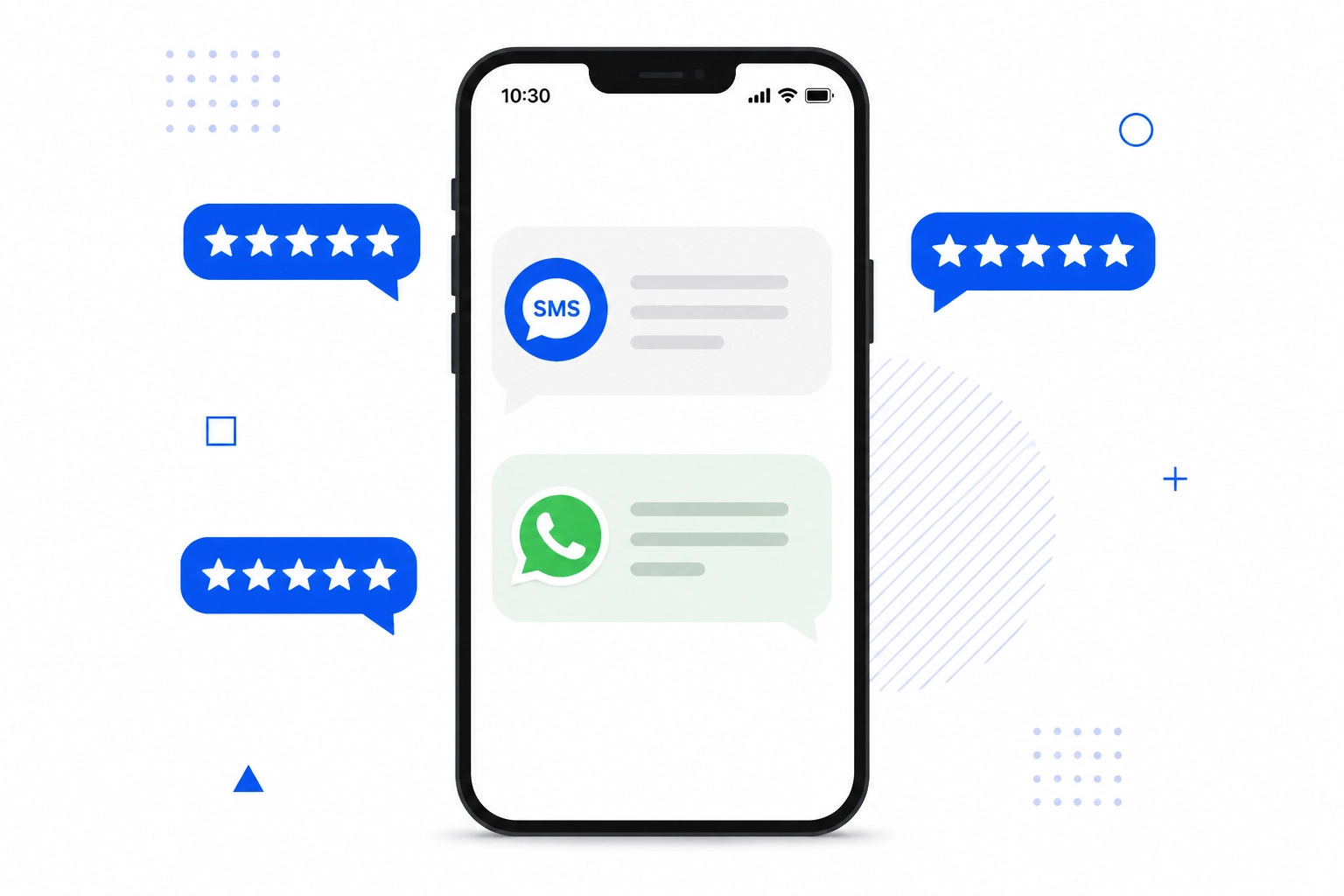
This is why how you ask is often more important than when you ask. For years, the gold standard has been SMS. It’s direct, it bypasses the cluttered email inbox, and almost everyone has a mobile phone in their pocket. But over the last couple of years, WhatsApp has moved from being a tool for the family group chat to a serious contender for business communication.
So, if you’re looking to boost your star rating and climb the Google Maps rankings, which one should you be using? Let’s break down the real-world performance of WhatsApp versus SMS for UK small businesses.
The Old Reliable: Why We Still Use SMS
There’s a reason SMS has been the king of review requests for a decade. It’s universal. You don’t need to worry about whether your customer has a specific app installed or if they have a data connection. If they have a signal, they get the text.
For a local plumber or a traditional retail shop, SMS feels professional and official. It has an incredible open rate: usually cited around 98%. People simply cannot resist checking a text message within minutes of receiving it. It feels urgent in a way that an email doesn't.
However, SMS has some growing pains in 2026. Because of the rise in "smishing" (spam texts), many customers are rightfully wary of clicking links in a plain text message. A naked URL like bit.ly/3xYz7 looks suspicious. Plus, SMS is limited to plain text. You can’t add branding, you can’t add a nice image of the service they just received, and you’re stuck with a very basic "click this link" call to action.
The New Heavyweight: The Rise of WhatsApp in the UK
In the UK, WhatsApp isn't just an app; it’s the primary way we communicate. From organising five-a-side football to chatting with the school parents’ group, it’s where our attention lives. For a small business, showing up in a customer’s WhatsApp feed feels more personal and less "corporate" than a standard SMS.
But the real magic of WhatsApp review requests for small business isn't just the vibe: it’s the functionality.
The Power of the Button
If you send an SMS, the customer has to click a link, wait for a browser to open, and then find where to leave the review. It doesn't sound like much, but in the world of conversion rates, every second is a chance for them to close the tab.
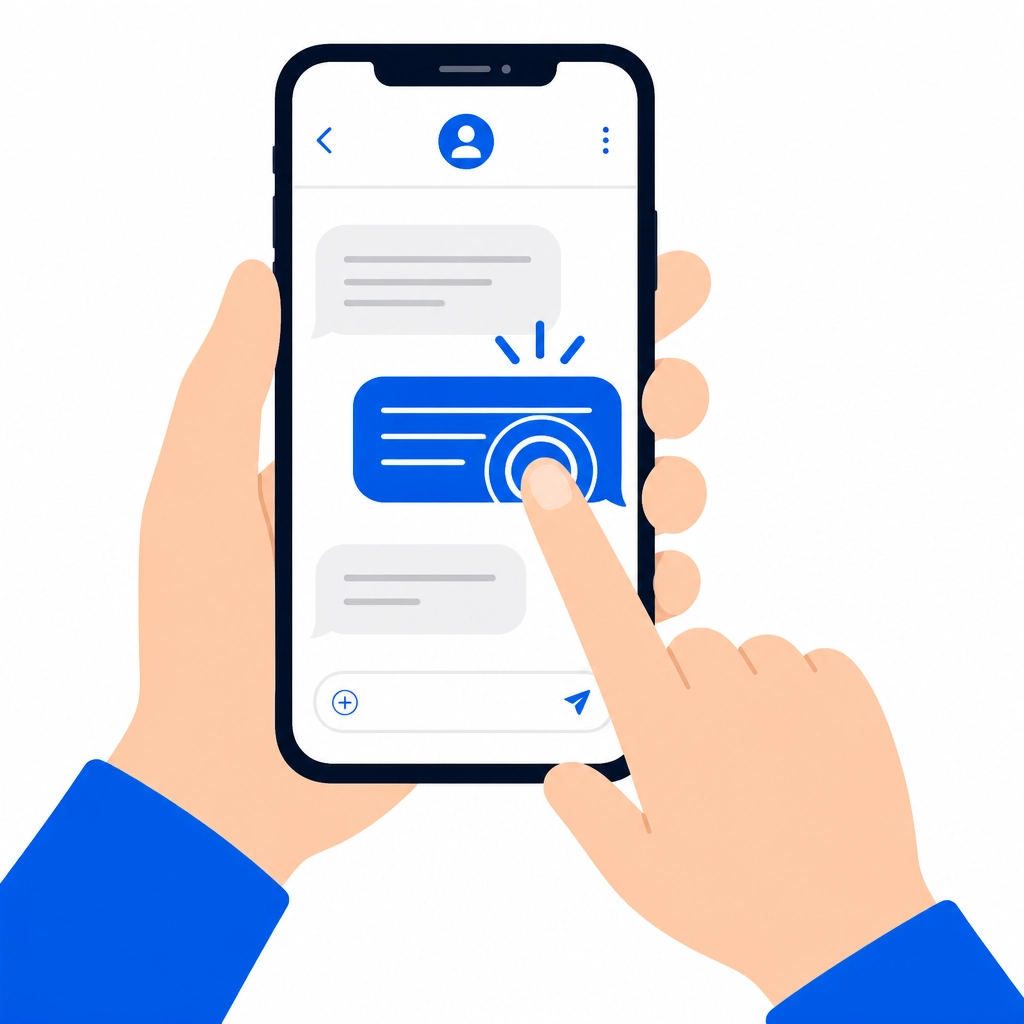
WhatsApp allows for "Quick Reply" buttons. Instead of a messy link, you can present them with a neat button that says "Leave a Review" or "Share Feedback". It’s a single tap. By reducing that friction, you’re making it significantly more likely that the customer will follow through.
Trust and Branding
A WhatsApp Business profile allows you to have a verified badge, your business logo, and a proper description. When a customer receives a request, they see your brand, not just a random "From: 07XXX XXXXXX" number. This built-in trust is vital. In a world where we’re all taught to be careful online, a branded WhatsApp message feels much safer than an anonymous text.
The Conversion Gap: What the Data Says
When we look at the numbers, both channels boast high open rates. You can safely assume that about 95% to 98% of your messages will be seen. But "seen" isn't the goal. "Reviewed" is the goal.
This is where the click-through rate (CTR) tells a different story. While SMS usually hovers between a 1% and 6% click rate for review requests, WhatsApp is regularly seeing engagement rates upwards of 35%.
Why such a massive jump? It comes down to "user friction."
Think about your own habits. If you get a text while you're busy, you might read it, see the link, and think, "I'll do that later." Usually, "later" never happens. With WhatsApp, the interactive nature of the app makes it feel like a conversation. It’s easier to tap a button while you’re already in the app chatting with someone else than it is to leave your message app, open a browser, and wait for a page to load.
Local UK Context: Why WhatsApp Wins for British Service Businesses
The UK has one of the highest WhatsApp penetration rates in Europe. For a local hair salon in Manchester or a boutique gym in London, your customers are already using the app all day.
There’s also a cultural element to consider. As a nation, we tend to prefer subtle, helpful communication over aggressive sales tactics. A WhatsApp message can be framed as a quick "hope you enjoyed your visit" follow-up, which feels like a natural extension of the service you just provided.
SMS can sometimes feel a bit "transactional": like a bank alert or a delivery notification. WhatsApp feels like a relationship. For service-based businesses where the relationship with the customer is everything, that distinction matters.
The Challenges of Both Channels
It’s not all sunshine and five-star reviews, of course. Both channels have their hurdles.
SMS Costs: In the UK, sending bulk SMS can get pricey, especially as your customer base grows. You’re charged per "segment" (about 160 characters), so if your message is long, you’re paying double or triple for every single request.
WhatsApp Privacy: You can’t just start spamming people on WhatsApp. You need to ensure you’re using an official Business API and that you have the proper consent. This is where many businesses trip up: trying to use a personal WhatsApp account for business "on the cheap," only to get their number banned by Meta within a week.
The Balancing Act: Some customers still prefer the "distance" of an SMS. They might find a WhatsApp message from a business a bit too intrusive into their private space. This is why having the flexibility to choose (or even better, automate the choice) is the smart move.
How to Make It Work for Your Business
If you’re a busy business owner, you don’t have time to sit there manually typing out WhatsApp messages or texts after every customer leaves. This is where reputation management platforms like YourReviews come into play.
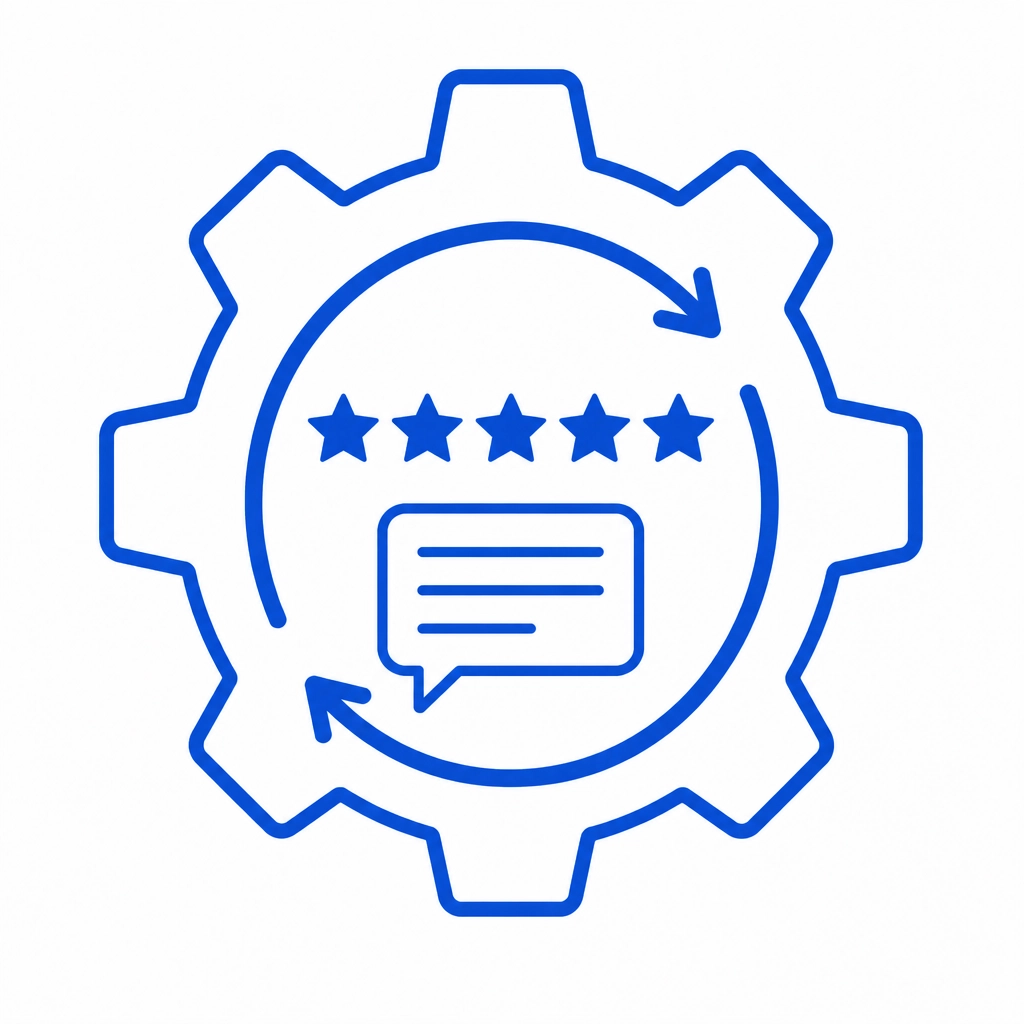
The goal should be a "flywheel" effect. You provide a great service, an automated request goes out via the channel the customer is most likely to use, they leave a review with a single tap, and that review helps you rank higher on Google Maps. That higher ranking brings in more customers, and the cycle repeats.
By using a system that can handle both WhatsApp and SMS, you’re not putting all your eggs in one basket. You can send a WhatsApp request first because of its higher conversion rate, and if they don’t respond, follow up with a polite SMS or email a few days later. It’s about being where your customers are, without being a nuisance.
Automation: The Silent Growth Engine
The biggest mistake we see local businesses make isn't choosing the wrong channel: it's not being consistent. They’ll send out ten requests on a Tuesday because they have a spare moment, then forget to send any for the rest of the month.
Google’s algorithm loves "recency." It doesn't just care that you have 500 reviews; it cares that you got three new ones this week. Consistency is what keeps you at the top of the "Local Pack" in search results.
Automating your review collection via WhatsApp or SMS ensures that the engine is always running in the background. Whether you’re cutting hair, fixing a boiler, or running a busy cafe, the system is working to turn those happy customers into visible social proof.
The Verdict: Which One Wins?
If we have to pick a winner for 2026, WhatsApp takes the trophy.
The combination of branded trust, interactive buttons, and the fact that it’s the UK’s favourite communication app makes it the clear leader for engagement. The click-through rates simply don't lie: you will get more reviews, more quickly, using WhatsApp.
However, SMS remains a vital backup. It’s the safety net for customers who don't use WhatsApp or for those times when a simple, unadorned text is the most appropriate way to reach someone.
The most successful UK businesses we work with at YourReviews don't actually choose one over the other. They use both. They use WhatsApp for the heavy lifting and high engagement, and SMS as a reliable secondary channel. By combining the two, they ensure no customer is left behind, and every opportunity for a five-star review is captured.
In the end, it’s about making it as easy as possible for your customer to say something nice about you. Whether that’s via a blue bubble or a green one, the result is the same: a stronger reputation and a busier business.