
The Staff Name Trap: Why Google’s 2026 Review Policy Update Could Get You Flagged
For years, the gold standard for local business marketing was simple: get as many five-star reviews as possible. If a customer mentioned a staff member by name, "Sarah was brilliant!" or "Dave really looked after us", it was even better. It showed personal service and helped businesses reward their best employees.
However, as of the April and May 2026 Google Review Policy update, what used to be a badge of honour has become a potential red flag.
If you are a UK business owner, whether you run a dental practice in Manchester, a hair salon in London, or a local plumbing firm, you need to pay attention. Google has fundamentally shifted how it views "staff mentions" and "internal review quotas". What was once a common growth tactic is now being classified as feedback manipulation.
The Shift in the Review Landscape
Google’s 2026 update isn’t just a minor tweak; it is a total overhaul of how authenticity is measured. The search giant is moving away from purely counting stars and moving towards "Signal Integrity".
In plain English, Google wants to know that a review was earned naturally, not manufactured through a corporate process or an internal competition. Two specific practices are now firmly in the crosshairs: asking customers to name-drop staff and setting internal targets for review collection.
The Problem with Naming Names
It might seem harmless. You finish a great service, and you say to the customer, "If you wouldn’t mind leaving us a review, please mention my name, it really helps me out."
Google now flags this for two main reasons: privacy and scripting.
1. Staff Privacy and GDPR Concerns

In the UK and Europe, privacy regulations like GDPR have made the public more sensitive about how their data, including their names, is used online. Google has aligned its policy to discourage businesses from effectively "forcing" employees' full names into the public domain via customer reviews. While a first name might seem fine, the pattern of constant name-dropping suggests a business is prioritising its internal tracking over the customer’s organic experience.
2. The "Scripting" Signal
Google’s latest AI models are incredibly good at spotting patterns. If 40% of your reviews contain the phrase "Ask for [Name]" or "[Name] was very helpful," it signals to Google that the customer didn't just write a review, they were coached.
When a review feels scripted, Google's Natural Language Processing (NLP) identifies it as "low-intent" or "solicited feedback." This doesn't just mean the review might get hidden; it can actually hurt your local search rankings.
The Death of the Internal Quota
The second major part of the 2026 update targets the "Review Quota." Many UK businesses have historically used reviews as a Key Performance Indicator (KPI). You might have told your team, "Everyone needs to get five Google reviews this month to hit their bonus."
Google has now explicitly banned this.
Why Quotas are Now "Manipulation"
When staff have a quota, they stop asking for feedback and start asking for favours. This leads to "pressure solicitation," where customers feel awkward saying no. This pressure often results in reviews that lack detail, contain repetitive phrasing, or are written while the customer is still standing at the counter: all of which are now detectable.
If your business is found to be incentivising staff based on review volume, Google considers this a form of "Incentivised Reviews," which has been a violation for years but is now much easier for them to catch.
How Google Catches the "Trap"
You might wonder how Google could possibly know if you've set a quota or asked a customer to mention a name. The answer lies in three pieces of technology that were fully integrated into the Google Maps algorithm in early 2026.
Proximity and GPS Tracking
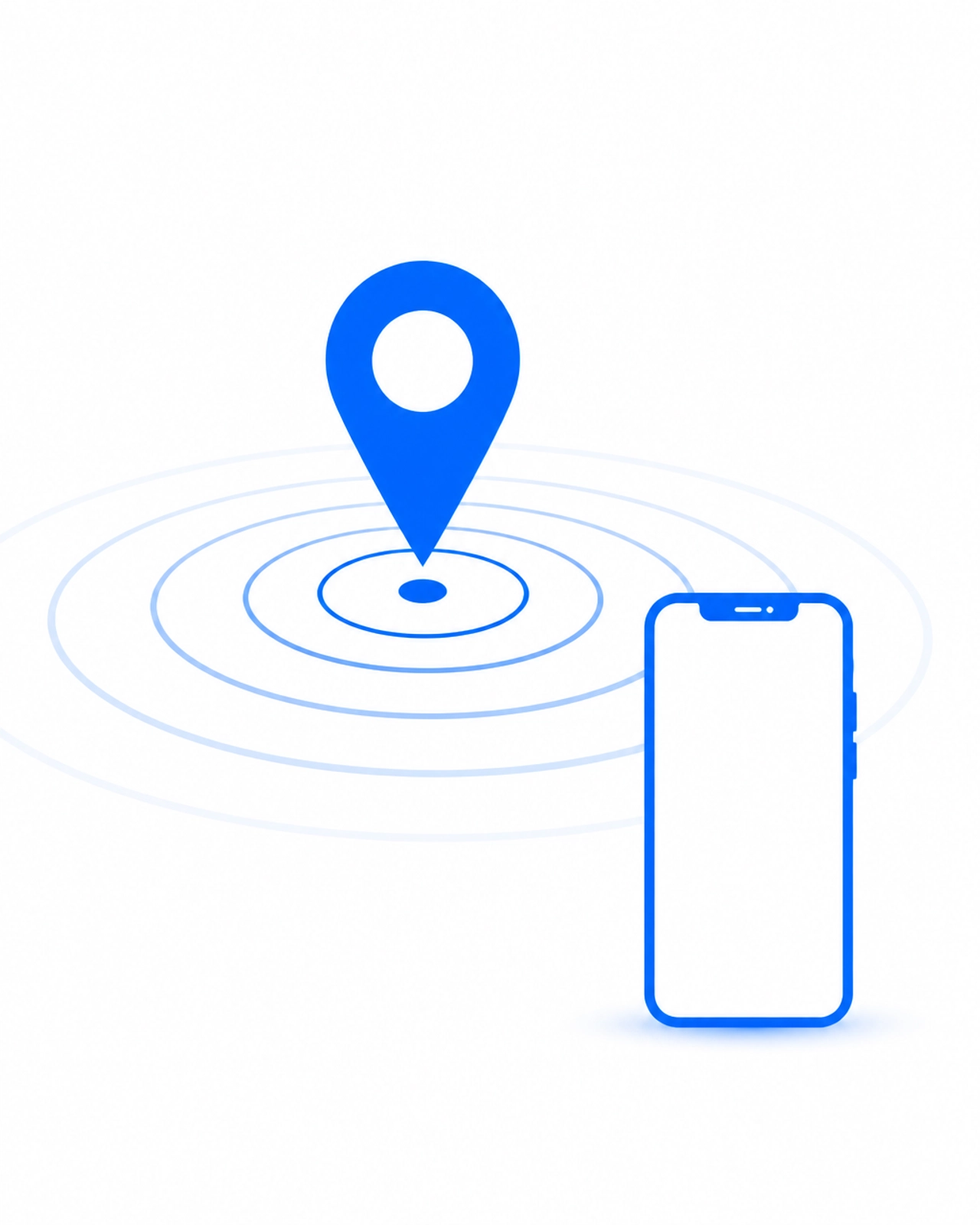
Google knows where the customer is when they write the review. If a significant percentage of your five-star reviews are posted while the customer’s phone is physically inside your place of business, it’s flagged as a "pressured review." Google’s logic is simple: a natural review usually happens after the customer has left and had time to reflect.
Natural Language Processing (NLP)
Google’s Gemini-powered AI now scans for "templated language." If multiple reviews use similar sentence structures or focus on the same staff names repeatedly, the system marks them as "structured" rather than "organic."
Pattern Analysis
Sudden spikes in review volume that coincide with the end of a month (often when staff are scrambling to hit quotas) are now a major red flag. A business that gets two reviews a week for three weeks and then 25 reviews in the final three days of the month will trigger an automatic audit of their profile.
What Happens if You Get Flagged?
The penalties in 2026 are more sophisticated than just deleting a few reviews. Google now uses a tiered system of "reputation throttling":
- Review Removal: The most obvious step. Any review containing a staff name that fits a "solicited" pattern is likely to be shadow-banned (the customer sees it, but the public doesn't).
- Ranking Penalties: Your business may disappear from the "Local Pack" (the top three results on Google Maps) for 30 to 90 days.
- The Review Freeze: Google may temporarily disable your ability to receive new reviews if they detect a coordinated attempt at sentiment manipulation.
Staying Compliant: The Better Way to Get Reviews
So, if you can't ask for names and you can't set quotas, how do you grow your reputation? The key is to move from "manual pressure" to "automated systems."
1. Automate the Request
Instead of having a staff member stand over a customer with a QR code, use a system that sends a follow-up later in the day. Our reviews automation platform allows you to send requests via SMS, email, or WhatsApp once the service is complete. This gives the customer the "breathing room" Google wants to see.
2. Focus on Service, Not Stars
Instead of asking for a review, ask for feedback. Tell your staff to focus on delivering an experience that makes the customer want to share their story. When a customer writes a review because they are genuinely happy, they will naturally describe the service they received without needing a script.
3. Use AI to Respond, Not Prompt
While you shouldn't script the customer's review, you should be professional in your response. Tools like YourReviews use AI-generated replies to acknowledge the customer's feedback instantly. This shows Google that you are an active, engaged business owner, which is a positive ranking signal.
4. Monitor Your Sentiment
Instead of counting how many times "John" or "Sarah" was mentioned, use the AI review insights dashboard to see what people actually like about your business. Is it the speed? The cleanliness? The price? These are the data points that help you grow a business, not just a star rating.
Summary: Earned, Not Structured

The "Staff Name Trap" is a symptom of an older way of doing business. In 2026, Google is forcing businesses to be more transparent and more respectful of the customer’s journey.
If you're still worried about why customers aren't leaving reviews, the answer isn't to push harder or set higher quotas. The answer is to make the process as frictionless and natural as possible.
By removing the pressure from your staff and the awkwardness from your customers, you'll find that the reviews you do get are higher quality, more detailed, and: most importantly: completely safe from Google’s latest crackdown.
Keep it simple, keep it honest, and let the quality of your work do the talking. For everything else, there is automation.